

We all love a bargain, and TikTok loves telling us that the $5 bottle of shampoo is “literally the exact same” as the $40 professional version. But if you look past the shiny label and get into the chemistry, the truth is a lot messier… and waxy.
Let’s be real for a second. We have all been there. You are standing in the aisle at Target, staring at a bottle of shampoo that costs less than your morning latte. You turn it over, scan the ingredients list and see the same buzzwords you saw on the bottle at your stylist’s station: Keratin. Argan Oil. Silk Protein.
Your brain does the math. “Why would I pay $50 when I can pay $6?” You toss the cheap bottle in the cart, feeling like you just beat the system.
But here is the uncomfortable truth that marketing teams don’t want you to know: you didn’t beat the system. You just bought a bottle of watered-down wax. And while your hair might feel slippery and soft the first time you use it, you are slowly suffocating it.
The “McDonald’s Effect”

The biggest argument I hear from friends who swear by drugstore brands is, “But it makes my hair feel so soft!”
I get it. Instant gratification is a powerful drug. But we need to talk about why it feels soft.
Most mass-market hair products are formulated with cheap, water-insoluble silicones and heavy waxes. Think of them like liquid plastic. When you wash your hair with this stuff, it doesn’t actually repair the damage. It just coats the strand in a layer of shine. It’s like filling a pothole with decorative icing instead of asphalt. Sure, it looks smooth for a day, but the hole is still there.
This is the “McDonald’s Effect.” It tastes good immediately, but if you eat it every day for a year, your health falls apart.
Over time, these waxy layers build up. They create a barrier that prevents moisture from actually getting into the hair shaft. Your hair starts to feel heavy, limp and weirdly dry despite the fact that you’re conditioning it every day. You are basically mummifying your hair strands in plastic wrap.
Real professional products work differently. They don’t rely on coating the hair to fake a healthy look. They focus on internal repair, which brings us to the biggest lie in the beauty industry: the ingredient label.
The “Dupe” Myth and Molecular Weight
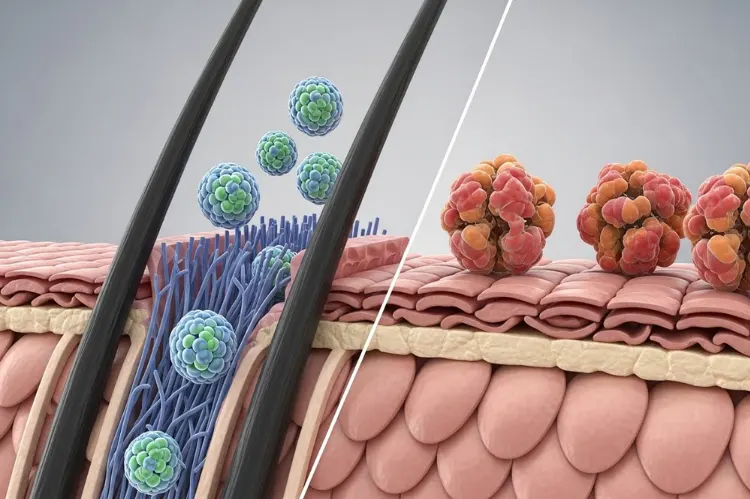
This is where the TikTok “dupe” hunters get it wrong. They look at the back of the bottle and say, “See? They both have Hydrolyzed Keratin as the fifth ingredient! It’s the same thing!”
It is not the same thing.
Chemistry is annoying like that. You can have two ingredients with the same name, but if they have different molecular weights, they do completely different things.
In high-end formulations, the proteins are hydrolyzed (broken down) into tiny molecules that are small enough to penetrate the cuticle and rebuild the hair structure from the inside out. That is expensive to do. It takes lab time and superior sourcing.
In cheap formulations, that “protein” is often too large to penetrate the hair. It just sits on top, washing down the drain the next time you rinse. You aren’t paying for hair repair; you’re paying for expensive drain water.
This is why switching to genuine salon products can sometimes be a shock to the system. When you use a product that actually penetrates, you might not get that artificial, slippery “silicone slide” you are used to. You get hair that feels like… hair. Clean, strong, breathable hair.
The Concentration Game
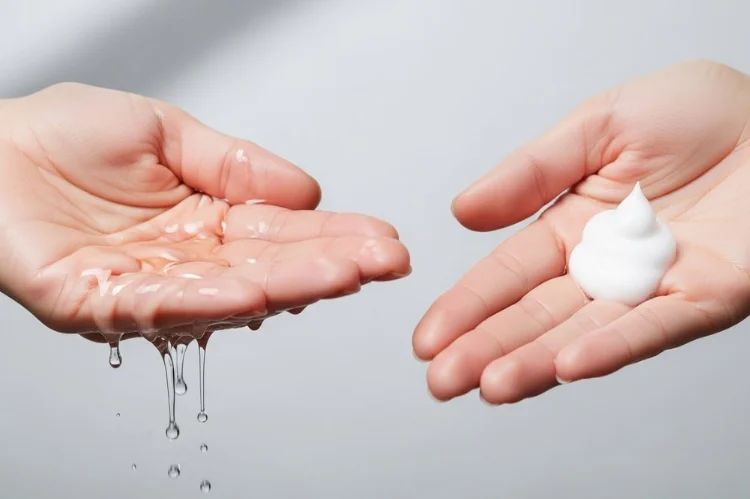
Here is another secret: you are probably paying more for the cheap stuff in the long run.
Have you ever noticed how fast you fly through a bottle of drugstore shampoo? You have to pour a massive puddle of it into your hand to get a decent lather. That’s because the first ingredient (usually by a massive margin) is water.
Drugstore brands are often diluted to keep the price point low. They use harsh surfactants (sulfates) to create that mega-foam we associate with “clean,” but they lack the active ingredients to counteract the stripping effect.
On the flip side, premium lines are highly concentrated. You are buying the “espresso shot,” not the “Americano.” You only need a dime-sized amount to clean your whole head. A single bottle of high-quality shampoo can last you four to six months. When you do the math, the cost per wash often evens out, but the difference in hair health is night and day.
The “Purge” is Real
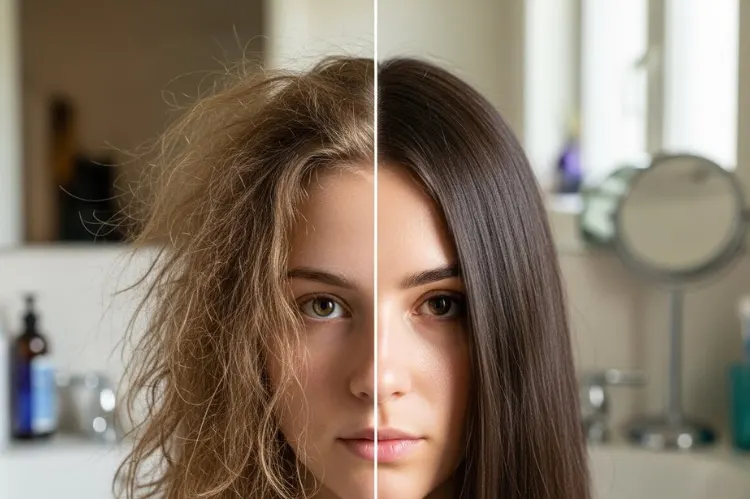
So, say you decide to make the switch. You toss the pantene-whatever and buy a reputable system.
Warning: you might hate it for the first week.
This is something nobody tells you. When you stop using heavy silicones and waxes, your hair goes through a “detox” or a purge. As that plastic layer gets stripped away, the true state of your hair is revealed. If your hair is damaged, it’s going to feel damaged for a minute.
I remember when I finally switched off the cheap stuff. For about three washes, my hair felt tangly and a bit rough. I thought I had wasted my money. But my stylist explained that I was finally feeling my actual hair texture, not the wax coating. Once I pushed through that phase and the reparative ingredients actually started working, my hair transformed. It stopped breaking. The color stopped fading so fast. It actually had bounce again.
The Bottom Line
Look, I’m not saying you need to spend your rent money on shampoo. There are plenty of overpriced “luxury” brands that are garbage, too. Marketing lies exist at every price point, something we talk about constantly when we look at misleading skincare claims. But generally speaking, you get what you pay for.
If you have “virgin” hair (no dye, no heat, no chemical treatments), you can probably get away with the cheap stuff. Your hair is resilient enough to handle it. But if you color, heat style, or struggle with breakage, that drugstore bottle isn’t your friend. It’s a frenemy that tells you you look great while stabbing you in the back. Your hair is the only accessory you wear every single day. It’s worth more than five bucks.
Read Next: My Favorite Pixie Cuts for Fine Hair Over 60 – 2026 Edition

