

Our homes are far more than just physical structures that shelter us from the elements. They are intimate environments that shape our emotions, influence our behaviors, and ultimately impact our overall well-being. The emerging field of environmental psychology has revealed that the spaces we inhabit play a crucial role in determining our mood, productivity, and even our relationships with others.
The Power of Natural Light
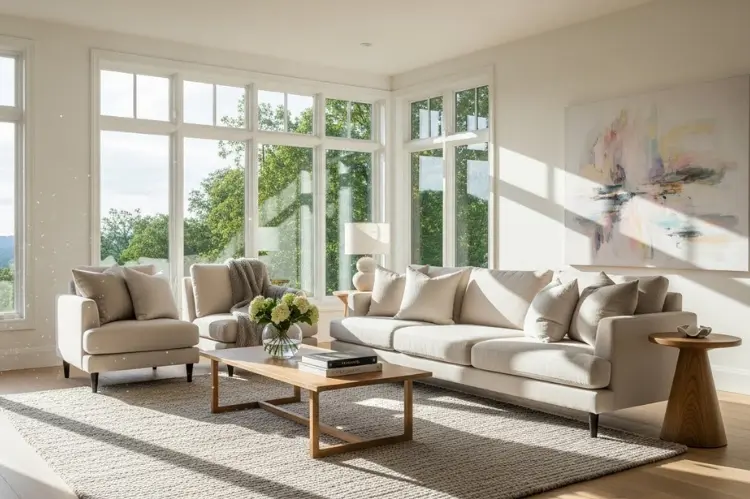
One of the most significant factors affecting our psychological state is exposure to natural light. Homes flooded with sunlight have been shown to reduce symptoms of depression and anxiety while boosting energy levels throughout the day.
This connection between light and mood explains why properties with large windows, skylights, and optimal orientation are highly sought after by those who understand the profound impact of their living environment. The absence of adequate natural light, conversely, can lead to feelings of lethargy and seasonal affective disorder, particularly during winter months.
Color Psychology and Emotional Response

The colors surrounding us in our homes trigger specific emotional and physiological responses. Cool tones like blues and greens promote calmness and relaxation, making them ideal for bedrooms and meditation spaces. Warm colors such as yellows and oranges stimulate conversation and appetite, which is why they work well in dining areas and kitchens.
Understanding these subtle influences allows homeowners to create spaces that support their desired lifestyle and emotional needs. When working with experts like Gurr Luxury Properties, buyers can select homes where the existing palette already aligns with their psychological preferences.
Spatial Organization and Mental Clarity

Clutter and disorganization create visual noise that directly translates to mental stress. Studies consistently demonstrate that people living in cluttered environments experience higher cortisol levels and report feeling more overwhelmed. In contrast, well-organized spaces with designated areas for different activities promote focus and tranquility.
The layout of a home matters tremendously. Open floor plans can foster connection and communication among family members, while defined separate spaces provide necessary privacy and boundaries for individual activities.
The Biophilic Connection
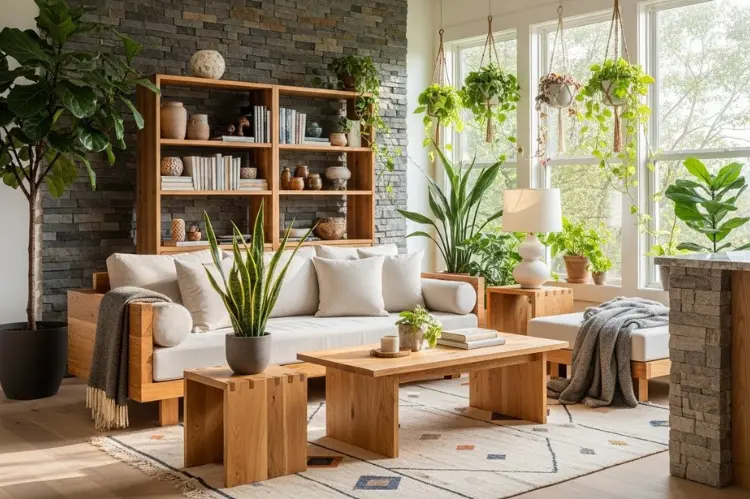
Humans possess an innate affinity for nature, a concept known as biophilia. Incorporating natural elements into home design satisfies this deep-seated need and provides measurable psychological benefits.
Homes with indoor plants, natural materials like wood and stone, and views of outdoor greenery report higher satisfaction levels among occupants. Even small touches such as water features or natural fiber textiles can create a sense of harmony and reduce stress.
Personalization and Identity
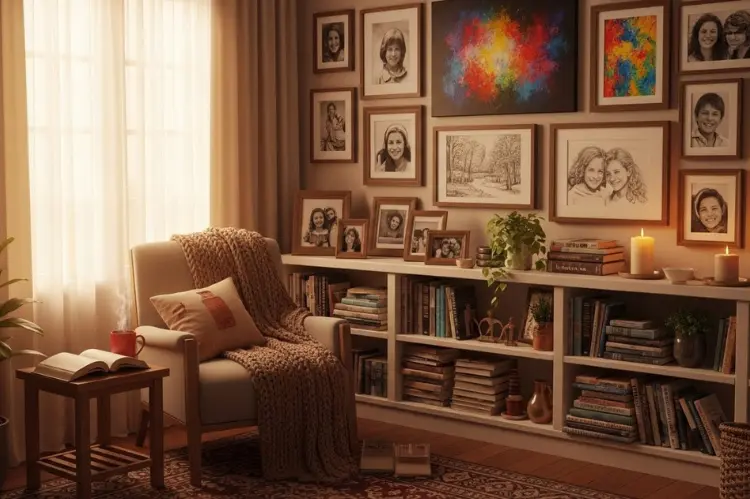
A home becomes truly psychologically beneficial when it reflects the identity and values of its inhabitants. Personal photographs, meaningful artwork, and cherished objects transform a house into a home by creating emotional anchors.
This personalization process allows individuals to express themselves and reinforces their sense of belonging and security. Spaces that feel authentically “ours” provide psychological comfort that generic environments cannot replicate.
The Role of Community and Location
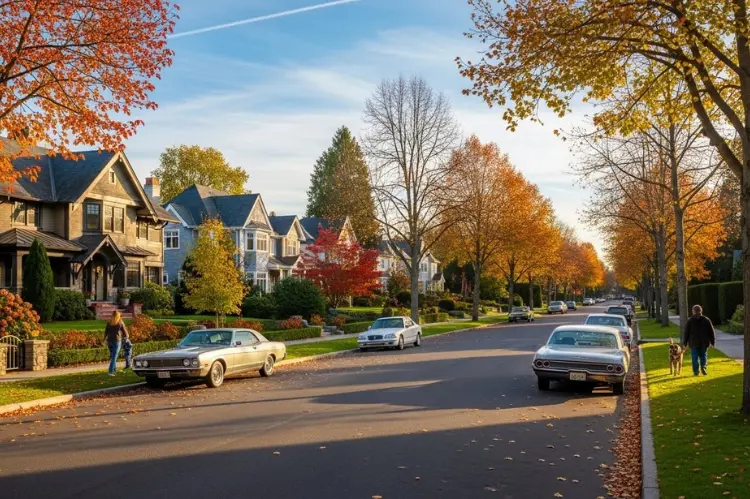
The psychological impact of a home extends beyond its four walls to encompass the surrounding community and natural environment. Proximity to parks, walking trails, and community gathering spaces contributes to mental health through opportunities for exercise, social interaction, and connection with nature. The overall aesthetic and character of a neighborhood influence how residents feel about their home and their sense of pride in where they live.
Creating Your Ideal Psychological Environment
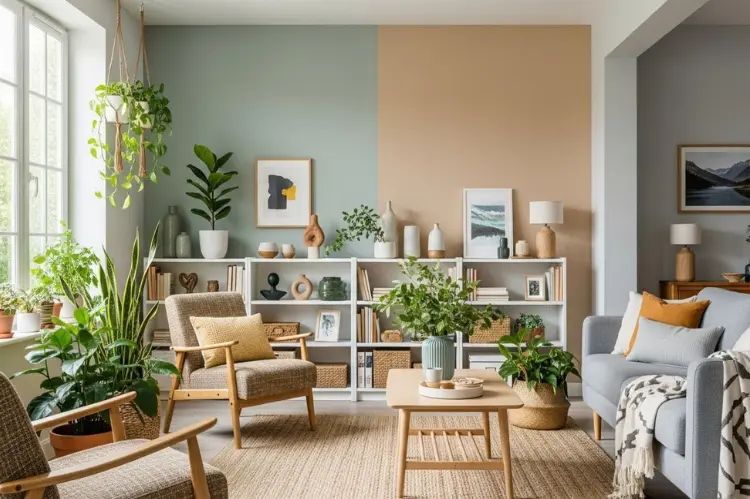
Understanding the psychology of space empowers us to make informed decisions about where and how we live. Whether choosing a new home or modifying an existing one, considering factors like light, color, organization, natural elements, and personal expression can dramatically improve daily life. Our homes should be sanctuaries that nurture our well-being, support our goals, and bring us joy each day we return to them.

