

Your dentist may be the MVP of your smile, but the real daily grind happens at home—between coffee refills, snack attacks, and late-night cravings. Dental visits might only take a couple of hours each year, but your teeth are working 24/7. The good news? Keeping them healthy doesn’t require fancy gadgets or extreme routines. It’s about consistency, smart habits, and knowing what truly makes a difference.
Think of oral care as a long-term relationship, not a sporadic check-in. Small, intentional daily steps lower your risk of cavities, gum disease, bad breath, and dental emergencies. Healthier teeth mean fewer uncomfortable visits and more confident smiles.
Now that you know why daily care matters, let’s dive into seven simple yet powerful ways to protect your teeth between appointments. They’re easy to follow, realistic for busy schedules, and designed to keep your smile in top shape long after you leave the dental chair.
Brush Like You Mean It—Twice a Day, Every Day
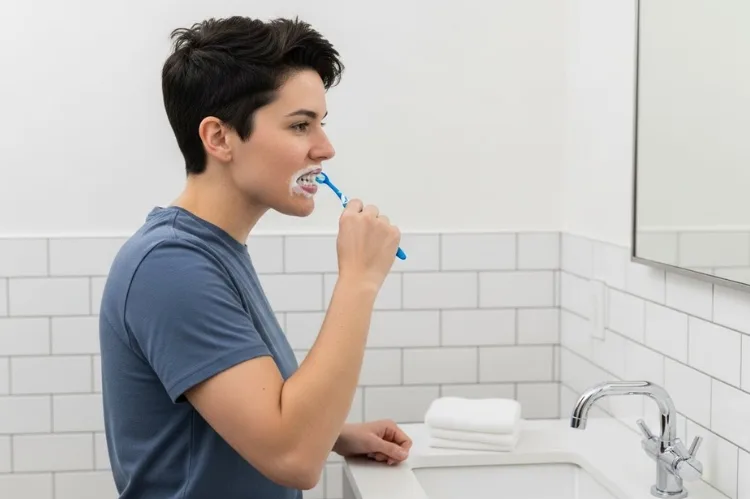
The key takeaway: Brush twice daily for 2 minutes, using gentle circular motions with a soft-bristled brush and fluoride toothpaste. Focus on thoroughness, not just speed, for optimal cleaning.
Key takeaway: Clean along the gumline and brush your tongue to remove bacteria that hide there.
Replace your toothbrush every 3 to 4 months, or sooner if the bristles look frayed. A worn-out brush won’t clean effectively, no matter how enthusiastic you are. Consistent, mindful brushing is your first line of defense against most dental issues—and it costs nothing but a little time.
Follow Professional Advice
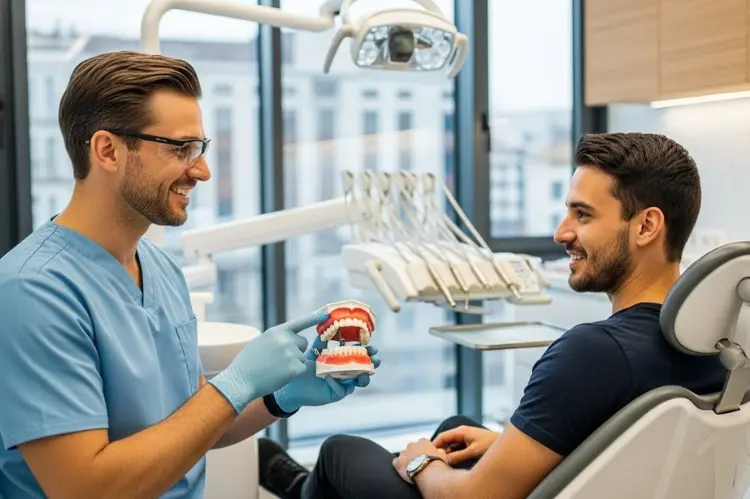
Between visits, your dentist’s guidance becomes your playbook. According to Sapphire a prestious Dentist Richmond, TX, “If your dentist recommends specific toothpaste, mouthwash, or brushing techniques, it’s not random—it’s tailored to your needs.”
Some people are more prone to cavities, others have gum sensitivity or enamel erosion. Ignoring personalized advice can set back the benefits of cleanings. Consider your dentist a coach aware of your strengths and needs.
Takeaway: Follow your dentist’s specific recommendations at home to maintain oral health and prevent bigger problems.
Floss Daily—Yes, Every Single Day
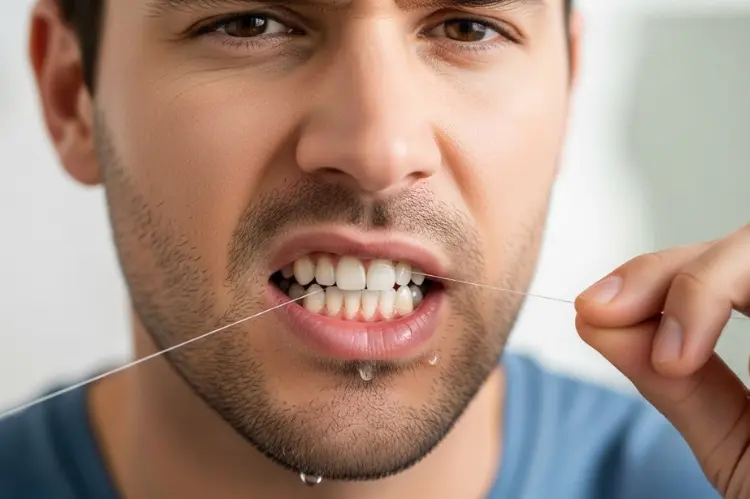
Flossing often gets treated like the optional bonus round of oral care, but it’s essential. Your toothbrush can’t reach between teeth, where plaque and food particles love to settle. Skip flossing, and you’re leaving nearly 40% of your tooth surfaces uncleaned.
Daily flossing helps prevent cavities between teeth and reduces gum inflammation. If traditional floss feels awkward, floss picks or water flossers can also work well. The key is to be consistent.
Be gentle—snapping floss into your gums can irritate your gums. Instead, slide it carefully and curve it around each tooth to remove buildup. Over time, flossing becomes quicker and easier, and your gums will thank you by bleeding less and feeling healthier. It’s a small habit with big rewards.
Watch What You Snack and Sip
Your teeth don’t just care about sugar—they care about frequency. Constant snacking provides bacteria with a steady fuel supply, which in turn produces acids that weaken enamel. Sticky snacks, sodas, and sugary drinks are especially harmful because they cling to teeth longer.
Choose tooth-friendly snacks such as cheese, yogurt, nuts, crunchy vegetables, and fresh fruit. These stimulate saliva, which naturally washes away acids and strengthens enamel. Drinking water after meals also helps neutralize harmful bacteria.
Takeaway: Enjoy treats in moderation, especially at mealtimes, to minimize enamel damage.
Stay Hydrated for a Healthier Mouth

Water is the unsung hero of oral health. Dry mouth creates a perfect environment for bacteria to thrive, increasing the risk of cavities and bad breath. Saliva plays a crucial role in neutralizing acids and washing away debris—and staying hydrated helps your body produce enough of it.
Takeaway: Drink water consistently, especially if you’re prone to dry mouth, for better oral health.
Make water your default drink when possible. It’s easy and one of the best ways to protect your teeth between visits.
Don’t Ignore Early Warning Signs

Your mouth signals when something’s wrong—sensitivity, bleeding gums, bad breath, or pain. Ignoring these signs often makes them worse. can prevent the need for complex treatments later. For example, gum bleeding often signals early gum disease, which is reversible with better hygiene and professional care. Tooth sensitivity could indicate enamel erosion or small cavities that are easier to treat early.
Key takeaway: Notice early signs of oral problems and act quickly to prevent bigger issues.
Protect Your Teeth During Daily Life
Your teeth face risks beyond food and bacteria. Grinding at night, sports injuries, or even using teeth as tools can cause damage. If you grind your teeth, a night guard can prevent wear and jaw pain. If you play sports, a mouthguard is essential protection.
Takeaway: Avoid using your teeth for non-eating tasks to prevent accidental damage.
Protecting your teeth means thinking ahead and respecting their limits. Treat them well so they stay strong, functional, and confident-looking for years.
Read Next: Orthodontic Treatment Benefits for Confidence, Health, and Smile

