

Veneers have revolutionized cosmetic dentistry, offering a transformative solution for anyone seeking to enhance their smile. These thin shells of porcelain or composite resin are custom-made to cover the front surface of teeth, correcting imperfections and creating a naturally beautiful appearance. However, choosing veneers is a significant investment that requires careful consideration and planning.
“Many patients make dental decisions without fully understanding the process, potential pitfalls, or long-term implications,” says Prestige Dental, an emergency dentist in Humble, Texas.
The excitement of achieving a perfect smile can sometimes cloud judgment, leading to choices that result in disappointment or costly corrections down the line. Understanding common mistakes can help ensure you achieve the results you’ve always dreamed of while avoiding unnecessary complications.
Not Researching Types
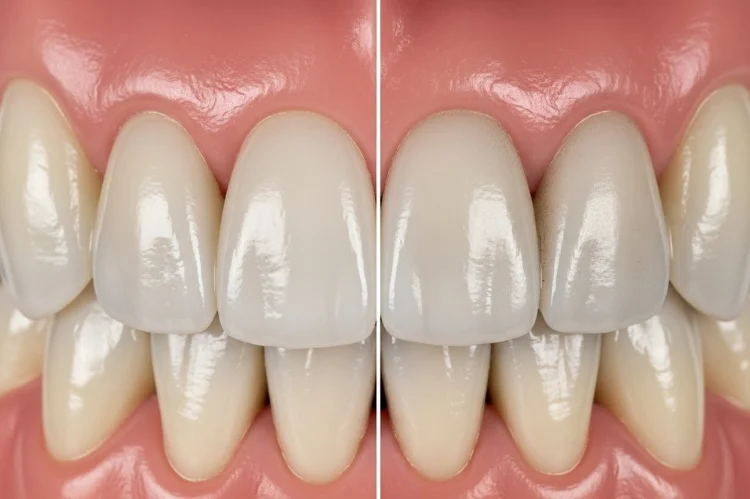
One of the most fundamental mistakes is failing to research the different types of veneers available. Porcelain veneers offer superior stain resistance and a more natural translucent appearance, typically lasting fifteen to twenty years with proper care. Composite resin veneers, while more affordable and requiring less tooth preparation, may need replacement after five to seven years.
Each material has distinct advantages and limitations that should align with your budget, lifestyle, and aesthetic goals. Some patients discover too late that they chose a material incompatible with their expectations or habits, such as selecting composite veneers when their coffee consumption would quickly cause staining. Taking time to understand these differences before making a commitment can save considerable frustration and expense.
Choosing a Dentist Based Solely on Price
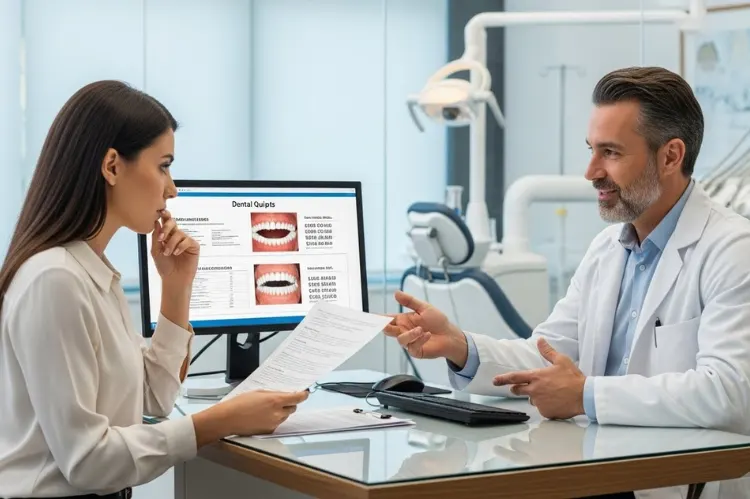
Cost is certainly an important factor, but selecting a cosmetic dentist based exclusively on the lowest price is a recipe for disappointment. Veneer placement requires exceptional skill, artistic vision, and extensive experience to achieve results that look natural and function properly. A less experienced dentist may create veneers that appear artificial, feel uncomfortable, or fail prematurely.
The dentist’s portfolio of before-and-after photos should demonstrate consistent quality and natural-looking results that resonate with your aesthetic preferences. Patient reviews and testimonials provide valuable insights into the dentist’s chairside manner, attention to detail, and how they handle complications when they arise. Investing in a qualified professional may cost more initially but typically saves money by avoiding revisions, replacements, or corrective procedures.
Neglecting to Communicate Your Vision Clearly

Effective communication between you and your dentist is absolutely essential for achieving satisfactory results. Some patients assume the dentist will automatically understand their desired outcome without explicit discussion, leading to veneers that technically meet clinical standards but fail to match the patient’s personal vision. Bringing reference photos of smiles you admire helps establish clear expectations and ensures everyone is working toward the same goal.
Be specific about your concerns, whether they involve tooth color, shape, size, or alignment issues you want addressed. Discuss how much change you’re comfortable with, as some patients prefer dramatic transformations while others want subtle improvements that enhance rather than completely alter their appearance. This dialogue helps your dentist create a treatment plan tailored specifically to your unique preferences and facial features.
Requesting Teeth That Are Too White or Too Perfect
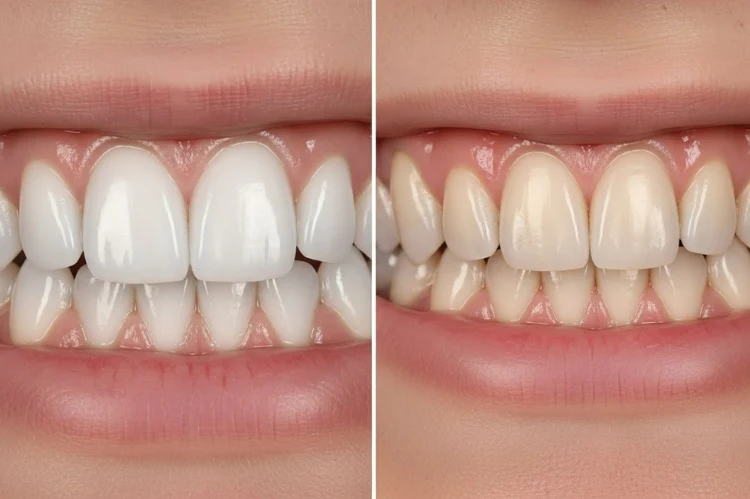
The desire for a brilliant white smile sometimes leads patients to request veneers that are unnaturally bright. Teeth that are several shades whiter than the surrounding facial features can appear stark, artificial, and actually draw negative attention rather than compliments. Professional dentists understand that the most beautiful smiles complement your skin tone, hair color, and overall appearance rather than overpowering them.
Similarly, requesting veneers that are too uniform in size, shape, and alignment can create an obviously manufactured appearance. Natural teeth have subtle variations and characteristics that give them authenticity and warmth, which skilled cosmetic dentists intentionally incorporate into veneer design. Slight imperfections strategically placed actually make veneers look more realistic and help them blend seamlessly with your natural features.
Ignoring the Importance of a Trial Smile
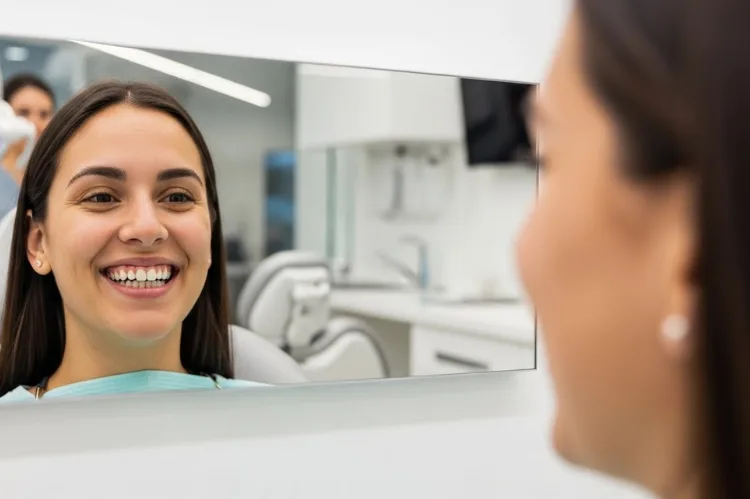
Many dentists offer temporary veneers or digital smile simulations that allow you to preview your results before finalizing the permanent restorations. Declining this opportunity is a significant mistake, as it provides invaluable insight into how the veneers will look and feel in your daily life. Living with temporary veneers for a week or two reveals whether the size, shape, or color needs adjustment.
This trial period allows you to assess how the veneers photograph, how they look in different lighting conditions, and how comfortable they feel when speaking or eating. Gathering feedback from trusted friends and family members during this phase can offer perspectives you might not have considered independently. Any concerns identified during this preview stage can be addressed before the final veneers are permanently cemented.
Overlooking the Need for Comprehensive Dental Health
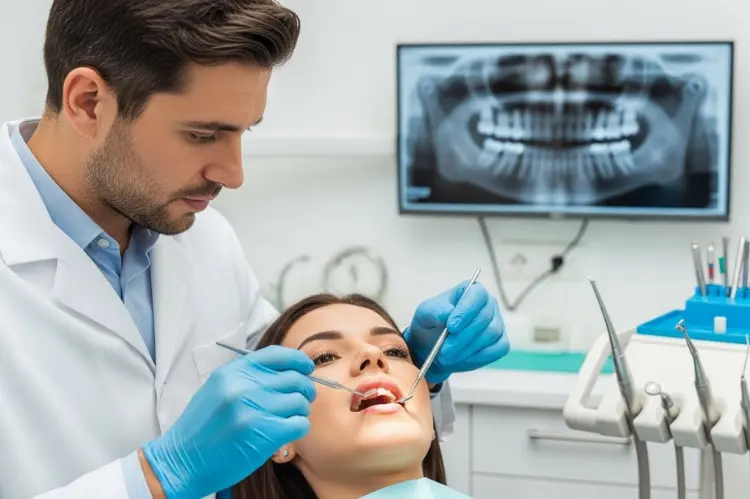
Veneers should only be placed on teeth that are fundamentally healthy and structurally sound. Attempting to cover underlying problems like decay, gum disease, or significant tooth damage with veneers will inevitably lead to complications and failure. These issues must be thoroughly addressed before veneer placement to ensure the longevity and success of your cosmetic investment.
A reputable dentist will conduct a complete examination, including x-rays and periodontal assessment, before recommending veneers as an appropriate treatment option. If preparatory work is needed, understand that this foundation is critical for the ultimate success of your veneers rather than an unnecessary upsell. Rushing forward without resolving underlying dental health issues compromises both the aesthetic outcome and your oral health.
Failing to Understand the Commitment Required
Veneers are typically an irreversible procedure because tooth enamel must be removed to accommodate the veneer thickness. Some patients don’t fully grasp that once they choose veneers, they’ll need to maintain them or replace them for life, as the prepared teeth cannot simply be left unrestored. This permanent alteration requires careful consideration and certainty about your decision before proceeding.
Additionally, veneers require ongoing maintenance including regular dental visits, proper oral hygiene, and lifestyle adjustments to protect your investment. Activities like biting fingernails, chewing ice, or using teeth as tools can damage veneers just as they damage natural teeth. Understanding and accepting these long-term responsibilities ensures you’re prepared for the commitment veneers represent.
Conclusion
Choosing veneers is an exciting step toward achieving the smile you’ve always wanted, but avoiding these common mistakes is essential for successful outcomes.
Take time to research thoroughly, select a qualified experienced dentist, and communicate your vision clearly throughout the process.
Read Next: Dental Phobia Treatment: Overcoming Fear for Confident Smiles

