
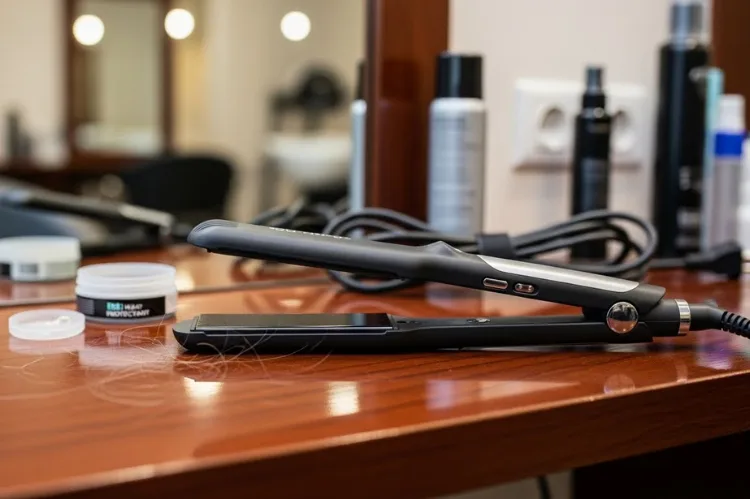
Nearly half of all adults have suffered burns from heated hair appliances—a sobering statistic that underscores why safety knowledge is crucial for anyone who regularly uses these popular grooming tools. Heat styling has woven itself into our daily routines, yet many people underestimate the genuine risks these devices pose.
Take a typical hair straightener, which can reach scorching temperatures exceeding 220°C—far beyond what human skin can safely handle. Mastering proper safety practices isn’t simply about dodging temporary discomfort; it’s about preventing serious injuries that can leave lasting physical and emotional scars.
Understanding Temperature Dangers
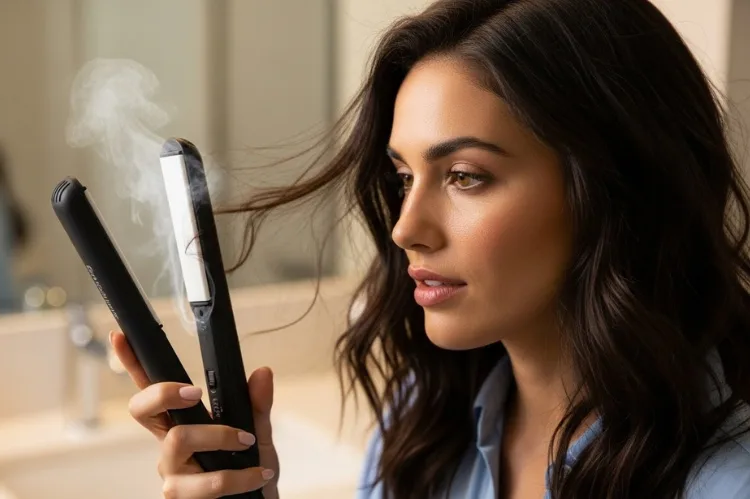
The temperatures at which heat styling devices operate present real dangers to human safety. Most contemporary tools climb to 220°C or higher—temperatures that dwarf the skin’s tolerance threshold. For context, first-degree burns can develop at temperatures as modest as 44°C during prolonged contact, while second-degree burns form rapidly when exposed to higher heat.
Here’s what catches many users off guard: cooling periods can stretch up to 40 minutes after you’ve switched off the device. Those metal plates continue harboring dangerous heat levels long after you’ve finished styling, creating an extended window of risk. Children face heightened vulnerability since their skin can be up to 15 times thinner than adult skin, meaning burns develop both faster and more severely.
Common Burn Scenarios

Most heat styling injuries follow remarkably predictable patterns. Children touching or grabbing hot plates represents the leading cause of serious burns, typically happening when curious toddlers encounter devices left cooling on counters or other accessible surfaces. Adults usually sustain burns through accidental contact during hurried styling sessions or when handling devices prematurely after use.
Especially hazardous situations include operating tools near water sources—which introduces electrical shock risks—and leaving heated devices close to flammable materials like towels, curtains, or plastic containers. These scenarios can quickly escalate from personal injury to property damage or devastating house fires.
Essential Safety Practices
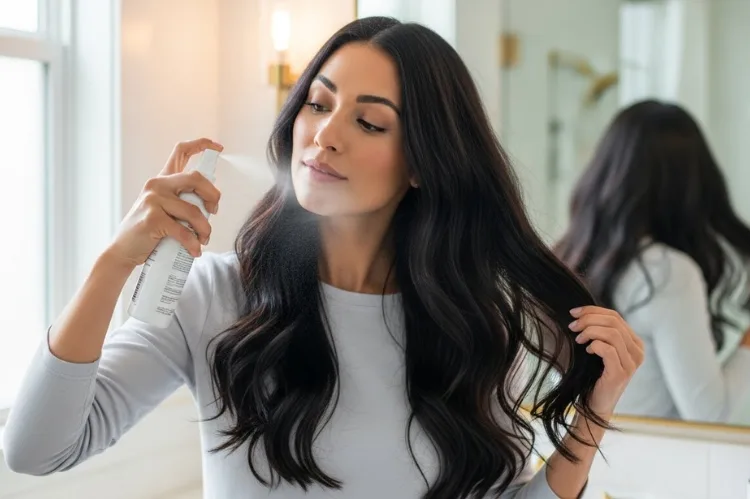
Effective heat styling safety starts with thorough preparation. Work exclusively with completely dry hair, since wet hair has significantly lower damage tolerance. Apply thermal protectant products before you begin, and choose appropriate temperature settings for your specific hair type—fine hair typically requires 150-180°C, while thick or curly hair may demand 200-210°C.
While styling, use gentle, fluid motions without applying excessive pressure, and resist the urge to make multiple passes over identical sections. Never operate tools near water sources, and consistently place devices on heat-resistant surfaces or their designated stands when you’re not actively styling.
Your post-use routine carries equal importance: switch off and unplug immediately after finishing, allow sufficient cooling time before any handling, and store devices in heat-resistant pouches only after they’ve completely cooled.
Protecting Vulnerable Individuals
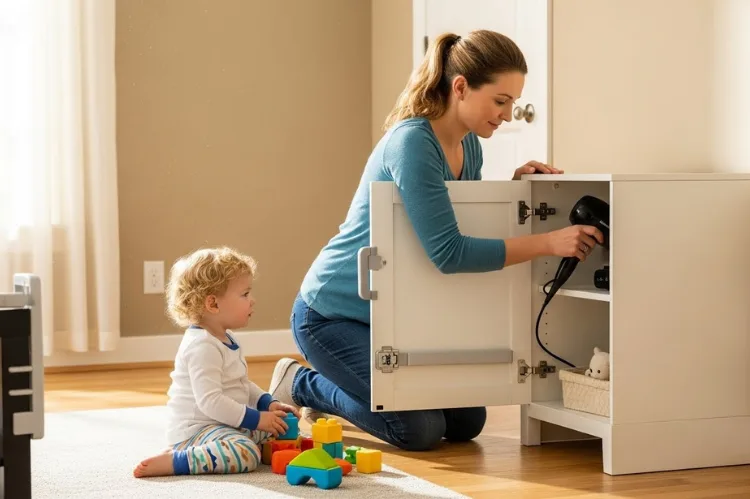
Establishing a secure environment means keeping devices entirely beyond children’s reach after use. Store tools in locked cabinets or on high shelves, and strongly consider investing in devices equipped with automatic shut-off features for additional protection.
When older children start styling their own hair, provide careful supervision paired with comprehensive education about proper techniques. Their natural curiosity, combined with increased skin vulnerability, makes thorough safety education absolutely essential.
Emergency Response Protocol
Should burns occur, implement the “Three Cs” protocol immediately:
- Cool the burn under running tap water for 20 minutes (effective if applied within three hours of injury)
- Call for medical assistance when the situation warrants it
- Cover the cooled burn with loose cling film or clean, non-fluffy cloth
Steer clear of widespread mistakes like applying ice, butter, or toothpaste to burns. Remove any clothing or jewelry that might trap heat against the skin, and seek prompt medical attention for any serious burns.
Choosing Safe Equipment
Opt for devices bearing proper safety certifications and marks, which indicate they’ve undergone testing to meet specific safety standards. Prioritize features like ceramic or tourmaline plates for consistent heat distribution, adjustable temperature controls, and plate widths suited to your particular hair type.
Consistent maintenance ensures ongoing safety—regularly inspect cords for damage, keep plates clean, and replace devices showing any signs of wear or malfunction.
Making Heat Styling Safe and Sustainable
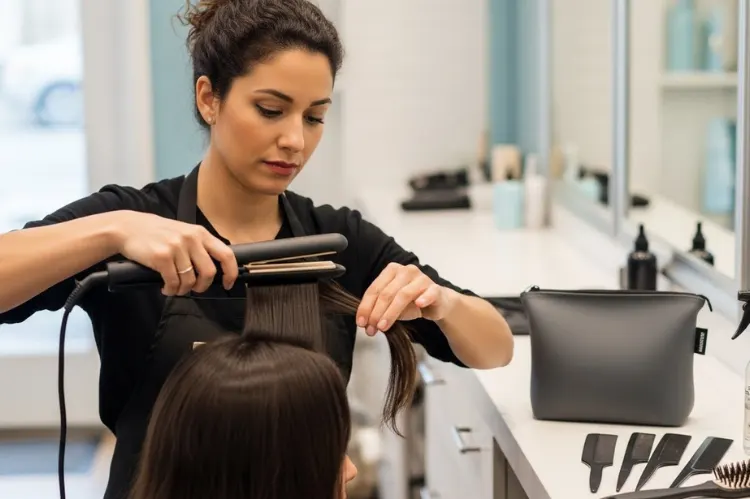
Heat styling can deliver both safety and effectiveness when approached with proper knowledge and attention to detail. The fundamental principles—temperature awareness, correct technique, appropriate storage, and emergency preparedness—safeguard both users and everyone around them. By dedicating time to mastering proper safety practices, you guarantee that achieving your styling aspirations never comes at the cost of personal well-being. The bottom line: safety and style work hand in hand when you’re properly informed and prepared.

BeautyLiesTruth publishes hair and personal color guidance built on primary research. Color claims are tested by draping under controlled daylight, and every figure is traced to a published source rather than to another blog.