

Inflamed skin can derail your routine fast. It stings. It itches. It feels tight, hot, and unpredictable. And the biggest challenge isn’t always calming it down, it’s avoiding the common habits that make it worse. Managing inflammation requires a precise, careful approach. One wrong product or small irritation can set back healing for days.
This guide breaks down how to support inflamed skin safely, with clear steps grounded in skin biology, not gimmicks or trends.
Understand What Your Skin Is Really Telling You
Inflammation is a signal, not a flaw. It means your skin barrier is stressed. When the barrier weakens, outside irritants slip in and trigger immune responses. Redness, swelling, and sensitivity are its way of creating an emergency defense.
Common triggers include harsh cleansers, over-exfoliation, fragrance exposure, extreme weather, and topical steroid misuse. Some people dealing with prolonged sensitivity or unexplained flares eventually begin learning about TSW (Topical Steroid Withdrawal), which can create severe, long-term inflammation when steroid use stops.
Your first priority is understanding the cause. Inflammation without clarity leads to products that treat the wrong issue.
Strip Back Your Routine Immediately
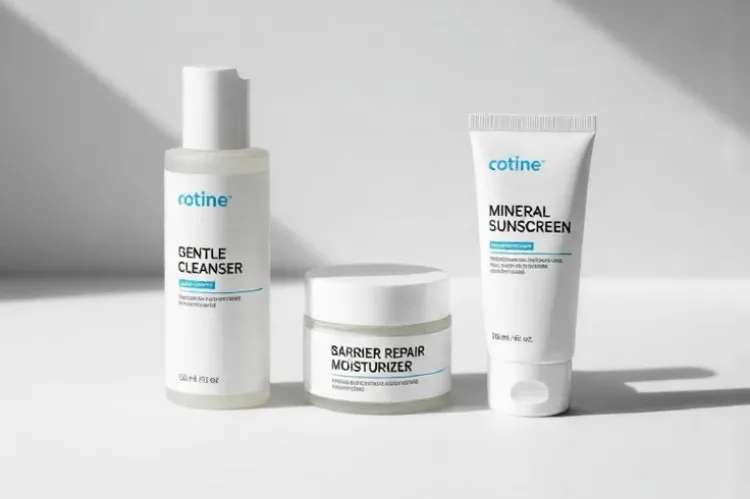
Less is better when your skin is inflamed. Remove anything that exfoliates, peels, tightens, foams aggressively, or claims “deep purifying” effects. These formulas usually contain surfactants or actives that damage an already compromised barrier.
A pared-down routine should consist of only three essentials:
- A gentle, non-fragranced cleanser
- A barrier-focused moisturizer
- A sunscreen formulated for sensitive skin
Every product should be soothing, simple, and clinically tested for sensitivity. No scrubs. No acids. No retinoids. No drying masks. No hot water.
Inflamed skin needs stability, not stimulation.
Moisturize With Purpose, Not Just Habit
A barrier repair cream isn’t optional; it’s the backbone of recovery. Moisturizers rich in ceramides, cholesterol, and fatty acids replenish the lipids your skin loses during inflammation. Think of them as patching holes in a damaged wall.
Humectants like glycerin and hyaluronic acid can help retain water, but use them cautiously. On severely compromised skin, they may draw moisture from deeper layers if the environment is dry. Always pair humectants with an occlusive or lipid-rich layer to lock hydration in.
Consistency matters more than quantity. A thin layer applied twice or three times daily is often better than smothering the skin once in a while.
Cold Therapy Helps More Than You Think

Cold reduces inflammation by constricting blood vessels and slowing inflammatory mediators. But you need to do it correctly. Avoid ice directly on skin. Instead, wrap a cool pack or chilled compress in a soft cloth and apply it gently for a few minutes at a time.
This helps calm burning sensations and swelling, especially during flares. If you’re experiencing withdrawal-related inflammation, this step can provide short-term relief without causing irritation.
Avoid Actives Until the Barrier Recovers Fully

Actives like retinoids, AHAs, BHAs, vitamin C, benzoyl peroxide, and even some peptides can be too stimulating when the barrier is disrupted. They’re useful tools but only when skin is stable. Using them too early can prolong inflammation or trigger new damage.
A good rule: if your skin still feels tight, itchy, or warm to the touch, it’s not ready for actives.
Protect Your Skin From Friction and Heat

Inflamed skin reacts to friction the same way a sunburn does—it worsens instantly. That includes rubbing with towels, touching your face, picking at dry patches, or wearing rough fabrics.
Clothing matters too. Opt for soft, breathable materials that glide over the skin instead of tugging at it. Even though it’s unexpected in a skincare article, many people with inflamed or reactive skin find comfort in loose, smooth athletic wear such as softball jerseys made from lightweight, non-abrasive fabric. They reduce irritation and prevent heat buildup on sensitive areas like the neck, chest, and arms.
Temperature control is equally important. Heat expands blood vessels and intensifies redness. Stay in cool environments, avoid steamy showers, and give your skin every chance to settle.
Watch for Signs of Infection or Underlying Conditions

Inflamed skin can hide deeper issues. If you notice oozing, crusting, spreading rashes, or pain, you may be dealing with infection or eczema flare-ups. People exploring learning about tsw often experience complex symptoms that need medical guidance.
Persistent inflammation can indicate:
- Contact dermatitis
- Eczema
- Rosacea
- Seborrheic dermatitis
- Allergies
- Skin microbiome imbalance
If symptoms escalate quickly, seek a dermatologist. Untreated conditions become harder to manage.
Keep Sun Exposure Minimal and Controlled
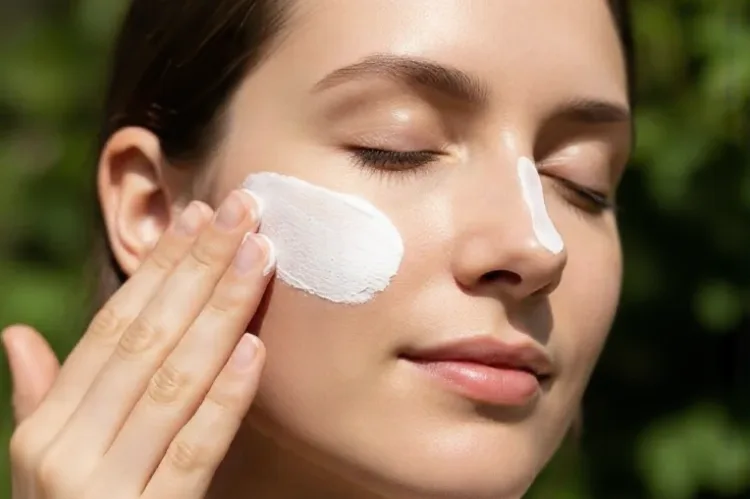
Inflamed skin burns easily. UV exposure increases redness and can delay healing. Sunscreen is necessary but must be chosen carefully. Use mineral formulas with zinc oxide or titanium dioxide. These sit on the surface of skin rather than penetrating it, reducing the risk of sensitivity.
Avoid chemical sunscreens until your barrier stabilizes. They’re effective but not ideal for highly reactive skin.
Hydrate, Sleep, and Lower Stress

Skin inflammation rarely exists in isolation. Stress hormones increase inflammatory responses. Poor sleep weakens repair cycles. Low hydration affects the lipid matrix that keeps the barrier intact.
A holistic approach supports recovery. Even small improvements in sleep and stress management can significantly reduce flare frequency.
According to the American Academy of Dermatology, 67% of people with chronic skin conditions report worsening symptoms during periods of increased stress. Managing stress isn’t optional—it’s part of treatment.
Final Thoughts
Inflamed skin doesn’t need complex solutions. It needs protection, patience, and smart choices. Pull back your routine. Reduce friction. Support barrier repair. Avoid trigger ingredients until stability returns. And don’t ignore signs that point to deeper issues like allergy, dermatitis, or steroid withdrawal.
Treat your skin gently. Let it recover without pressure or harsh treatment. With the right approach, inflamed skin can calm, rebuild, and return to balance without prolonging irritation or creating new problems.
If you want, I can also write a simplified version for beginners, or create a printable flare-care checklist.

I spent the last 7+ years helping people discover what truly works for them in fashion and beauty. After styling clients in boutique fashion houses and testing countless skincare products myself, I learned one simple truth: the best style is the one that makes you feel confident every single day. On my blog, I share the same honest tips I give my friends: simple, practical, and a little inspiring.