

Your skincare routine doesn’t start with serums. It starts with your environment. The air you breathe, the fabrics you sleep on, the surfaces you touch, and the spaces you live in all influence how your skin behaves. Many people focus on products alone, but environmental hygiene plays a bigger role in breakouts, irritation, and long-term skin health than most realize.
A clean space supports a healthy barrier. A neglected one quietly creates inflammation, clogged pores, and stress responses that skincare can’t fully undo. This guide breaks down the environmental factors that affect your skin and how small changes can make a measurable difference.
Your Bedroom: Where Skin Heals or Breaks Out
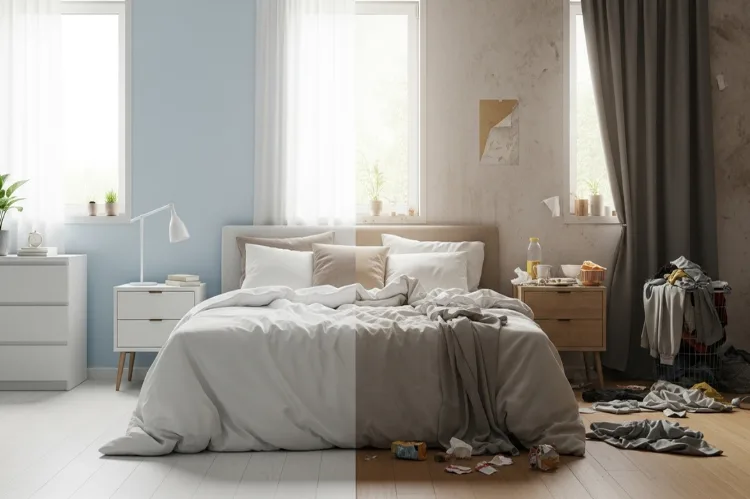
Your bedroom is where your skin spends the most uninterrupted time recovering. But it’s also where bacteria, oils, and environmental residue build up the fastest. Pillowcases absorb everything—night sweats, hair oils, makeup residue, and airborne particles. That buildup transfers back onto your face every night.
Dermatologists often recommend changing pillowcases every two to three days, especially for acne-prone or sensitive skin. Cotton holds onto oils, while silk and satin reduce friction and absorb less, though they still need frequent washing.
Bedsheets matter too. Studies from the American Cleaning Institute show that only 44% of people wash their sheets weekly. Longer gaps allow bacteria and allergens to accumulate. For people with eczema, dermatitis, or folliculitis, this buildup can intensify flare-ups.
A clean sleep environment reduces unnecessary triggers. Your evening routine becomes more effective because the skin isn’t fighting against bacterial transfer all night.
Air Quality: The Invisible Factor Behind Irritation

Air pollution damages the skin barrier and accelerates inflammation. Indoor air especially in apartments or homes near traffic can carry particulate matter that settles on the skin and oxidizes sebum. This contributes to congestion and dullness.
Humidity also plays a role. Air that’s too dry pulls moisture from the skin. Air that’s too humid encourages microbial growth. Both extremes disrupt barrier function.
Simple adjustments can help:
- Use an air purifier if you live in dense urban areas.
- Keep humidity between 40–55% to maintain hydration balance.
- Ventilate rooms daily to reduce trapped pollutants.
These small environmental controls help stabilize your skin so active ingredients can work efficiently.
Clean Surfaces, Clean Skin
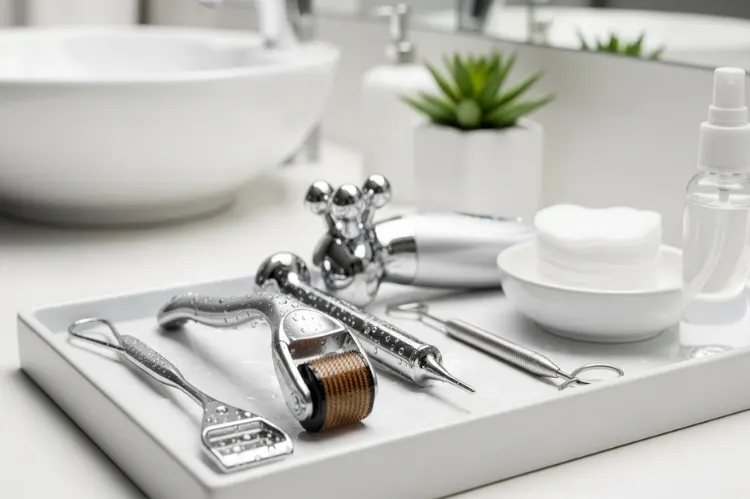
Phones, keyboards, door handles, remotes, and makeup tools all transmit bacteria to the face. Touching your face throughout the day becomes a bigger issue when surfaces around you aren’t clean. Even minor contamination increases the risk of clogged pores and irritation.
Your bathroom environment matters too. Damp spaces grow mold and bacteria quickly. Leaving skincare bottles open near sinks, showers, or toilets exposes them to airborne contaminants. That contamination then spreads to your face during application.
Consistent surface hygiene lowers the skin’s microbial load. It also prevents reinfection cycles, especially in people prone to perioral dermatitis or recurring breakouts around the mouth and jawline.
Clothing and Fabric Contact

Skin reacts to friction, trapped sweat, and rough textures. Fabrics that hold bacteria—like unwashed scarves, hats, sportswear, or bras—can cause chest, back, and jawline breakouts. The more you sweat, the more frequently you need to wash these items.
Choosing breathable materials helps too. Synthetic fabrics trap heat and oils. Natural fibers like cotton or bamboo reduce irritation, especially for those with chronic sensitivity. A simple wardrobe shift can cut flare-ups dramatically.
When Your Space Needs Extra Support

For people with busy schedules or chronic skin issues, environmental upkeep can feel overwhelming. In those cases, a professional cleaning service can reset your living space and eliminate irritants you may not notice. Services like this ensure that dust, allergens, and bacteria aren’t silently undoing your skincare routine.
A deep clean creates a healthier baseline—one that supports better results from moisturizers, treatments, and active ingredients. It also reduces the stress associated with clutter, and stress itself is a known trigger for inflammatory skin responses.
Stress, Clutter, and Skin Behavior
Your environment affects your mind, and your mind affects your skin. Cluttered spaces increase cortisol, which weakens the skin barrier and worsens acne, eczema, and redness. A clean environment supports calm, and calm supports healing.
Clear surfaces, organized storage, and tidy routines help regulate the nervous system. When cortisol stabilizes, inflammation lowers. Products that once irritated may suddenly behave better. Your skin reflects your lifestyle, not just your cleanser.
The Bathroom: Your Skincare Lab
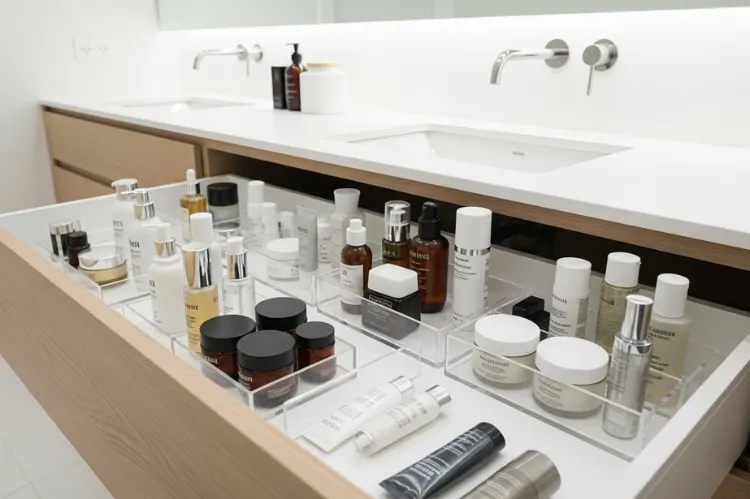
How you store your products matters. Heat breaks down active ingredients, and humidity destabilizes formulas. Keep skincare in cool, dry areas away from steam. Storage drawers are better than open shelves near a shower.
Regularly disinfect brushes, jade rollers, and gua sha tools. Anything that touches your skin should stay clean enough to avoid bacterial transfer. Replace loofahs and washcloths frequently. These items harbor microbes faster than people expect.
Treat your bathroom as a controlled environment. If you wouldn’t eat food left open on a steam-filled counter, your skincare shouldn’t sit there either.
Final Thoughts
Your beauty routine extends beyond bottles and steps. It includes your sheets, your air, your clothing, and the surfaces you touch every day. When your environment stays clean, your skin works less to defend itself. That means fewer breakouts, calmer texture, and better results from the products you invest in.
A healthy complexion isn’t just about what you apply. It’s about creating a space where your skin can thrive. If needed, bringing in a cleaning service ensures your environment stays aligned with the results you want.
Clear skin starts with clean surroundings. Simple, intentional choices that protect your barrier and support long-term skin health.
Read Next: Hydration tips: Boost Skin Glow and Overall Wellness

