
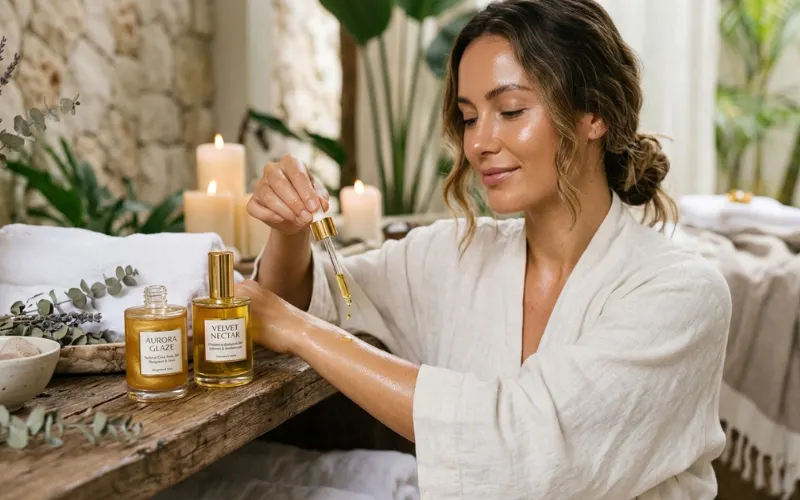
Half the people who tell me “body oil just doesn’t work for me” are doing one thing wrong. Almost always the same thing, actually. They’re putting it on dry skin, usually at night, after they’ve already towel-dried properly, sometimes after they’ve put pyjamas on and got into bed, and then in the morning they’re wondering why the sheets are oily and their skin’s still tight anyway. It’s not the product. I’d put money on it.
I’m Emily. Been doing skin and body treatments at our salon on Falmer Road a fair few years now, and body oil’s one of those products clients either swear by or have written off completely, usually for the reason I just gave. Nobody ever told them it needs damp skin to actually do anything. So before we get into which ones are worth your money, that’s where I want to start.
What Does Body Oil Actually Do?
Okay so here’s the bit that doesn’t make it onto the bottle anywhere. Body oil doesn’t hydrate your skin, not really, and I wish more brands said that outright instead of letting people assume. It traps hydration that’s already there. Pretty big difference once you actually think about it, and it’s the reason timing ends up mattering more than the formula half the time, maybe more than half if I’m being honest.
Lotions and creams are mostly water, with oils mixed in so that water hangs around longer than it otherwise would. Body oil skips the water bit entirely. It sits on top of skin that’s already damp and slows down moisture escaping into the air, trans-epidermal water loss is the proper term for that if you ever want to sound clever at a dinner party. No water on the skin to begin with, the oil’s got nothing to actually trap, simple as that really.
Is Body Oil Better Than Lotion?
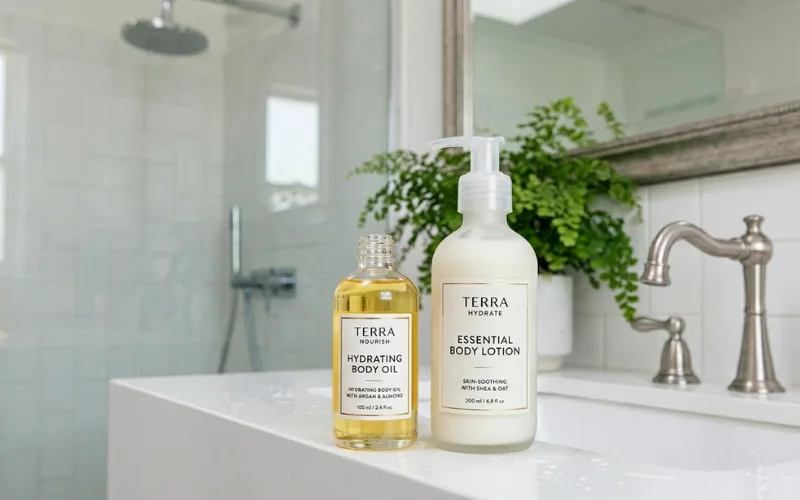
Depends what you actually want it to do, and that’s not me dodging the question. They’re not really fighting for the same job.
Lotion’s got humectants in it, glycerin, hyaluronic acid, things like that, and those pull water into your skin from the air and from deeper layers underneath. It’s actively adding moisture, doing the work, rather than just sitting there. Oil doesn’t do that part at all. It just seals in whatever’s already there, full stop. So if your skin runs properly dry, the answer’s usually both, not picking one over the other and hoping for the best.
What I will say for oil though, no water means no preservatives needed to stop bacteria growing in the bottle, so ingredient lists tend to stay shorter and cleaner. That’s worth something if you’re trying to keep your routine simple, which, let’s be honest, most of us are after a long day. Downside’s the sheen, it’s more noticeable than what lotion leaves behind, and some people just aren’t fans of that under a work shirt.
How to Actually Use Body Oil
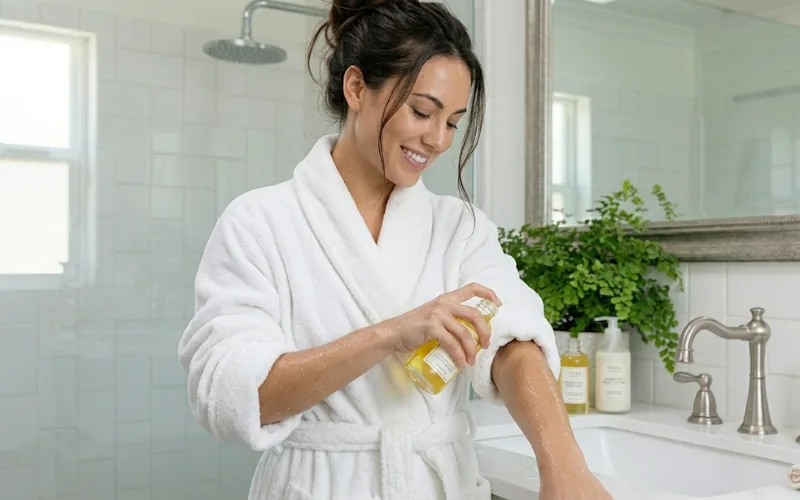
This is the part almost everyone skips and it’s the difference between loving an oil and writing the whole category off.
Apply within the first 60 seconds after your shower, while skin is still damp
Pat yourself half-dry with a towel, leave a little moisture behind, and get the oil on straight away. The water still sitting on your skin is what the oil actually traps, so wait till you’re completely dry and, well, you’ve already missed your window. May as well wait for next time at that point.
No shower handy? Fake it with a mist
A facial mist or just a plain water spray bottle by your vanity does almost the same job. A few spritzes on arms and legs before the oil gets you most of that same locked-in effect without turning the shower on at all.
Warm the oil between your palms first
Rub a few drops between your hands for a couple of seconds before applying. Warmed oil spreads thinner and sinks in faster, which means you end up using less product and dodging that greasy film that puts a lot of people off body oils for good.
Go in sections, not all at once
Apply to one limb, give it 20 to 30 seconds to absorb, then move to the next. Dump it over your whole body in one go and it just sits on the surface longer than it needs to, simply because there hasn’t been time to actually massage it in properly.
Blend a pump into your body cream during the colder months
If your skin needs more than oil alone can give it, think December through February, or after too much sun, mix a pump of oil straight into your usual cream in your palm before applying. You get the humectant boost from the cream and the sealing effect from the oil in one step. Haven’t settled on a winter cream yet? My breakdown of natural body lotions for dry skin pairs well with this.
Store it away from your bathroom window
Heat and direct light break down the fatty acids in plant oils faster than you’d expect, and that shortens shelf life and can turn a lovely scent slightly rancid before its time. A cupboard or a drawer beats a sunny windowsill every time. If you’re precious about your bottles the way I am, the same logic behind storing oils and liquids properly applies here too, just swap the kitchen for your bathroom cabinet.
Treat it like food, check the date and actually use it up
Most natural body oils are good for 6 to 12 months once opened, less if there’s something delicate in there like rosehip or an essential oil blend. Give it a smell before you use it. If it’s turned sharp or a bit “off,” it’s done its job and it’s time to let it go.
Less is genuinely more, every time
Three to four drops for your whole body, building up only if you actually need to. Body oil’s concentrated, you’re not meant to use it like lotion. People who tell me an oil “feels too heavy” are nearly always using two or three times what they actually needed.
What’s Best for Aging Skin?
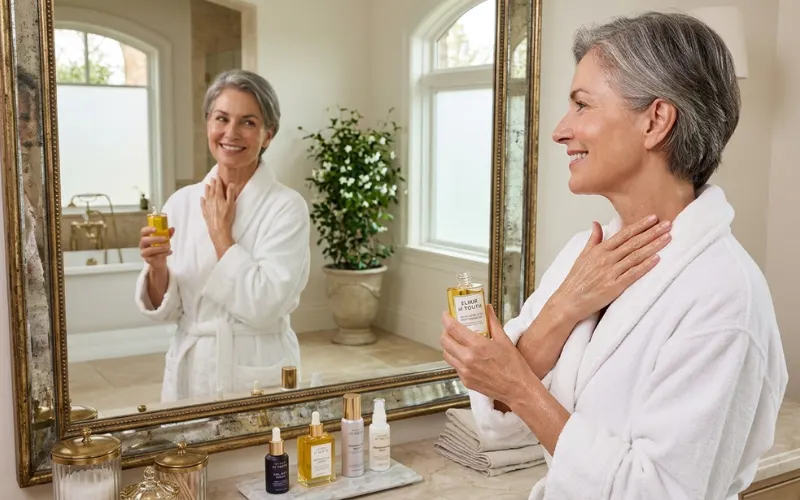
Squalane, mostly, plus a bit of vitamin C or E where you can get it. Squalane mimics the lipids your skin makes less of as you get older, so it cushions fine lines and crepiness rather than just sitting on top doing not much at all.
Richer textures suit mature skin better than those super fast-absorbing dry sprays in my experience, especially round the upper arms and décolletage where the skin’s already thinner than most other places on the body.
What About Crepey Skin?
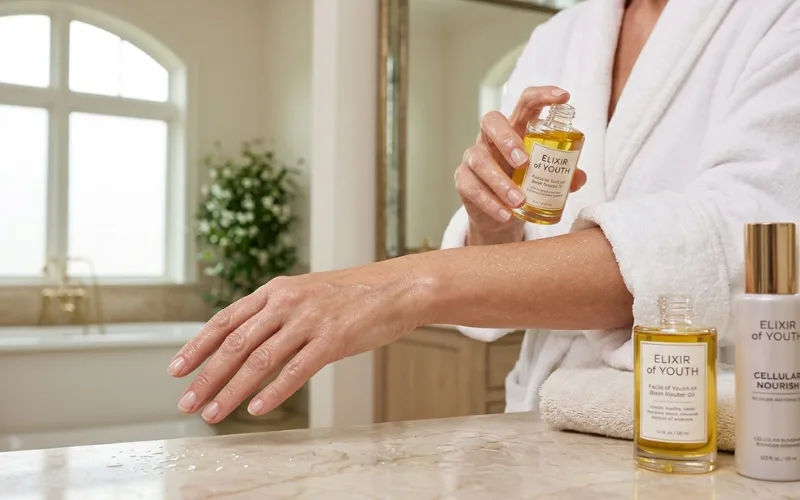
Rosehip seed oil, marula, anything with algae in it, those names come up again and again for crepiness, particularly on upper arms and inner thighs. But I’ll be honest with you, consistency beats whatever’s on the ingredient list nearly every time here. A mid-range oil used daily after your shower beats an expensive one used twice a month and forgotten about the rest of the time, no contest really.
The 10 Best Body Oils of 2026, Tested and Compared
I picked these based on formula quality, how they actually behaved on skin, not just the marketing copy, and whether the price matched the performance. Mixed budgets on purpose, because not everyone wants to spend a hundred quid on a body product.
1. Nécessaire The Body Oil – $48
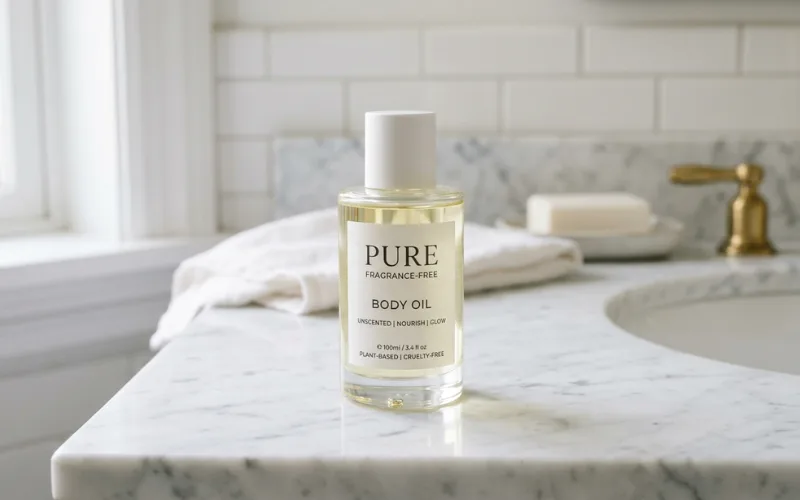
This is the one I recommend most often for sensitive or reactive skin. It’s fragrance-free, which immediately rules out the most common cause of body product irritation, and it’s built on omega 6-7-9 fatty acids plus vitamin C. It leaves a dewy, slightly wet finish, so it’s better suited to evening use or anyone who doesn’t mind a visible sheen.
- Scent: none at all, genuinely odourless, which is the entire point of this formula
- Absorption time: roughly two to three minutes on damp skin before the sheen settles
- Bottle: comes in refillable glass rather than plastic, worth knowing if you’re trying to cut down on waste
- Best paired with: a humidifier in winter if your bedroom runs dry, since this oil seals moisture but won’t add any of its own
2. Naturium The Glow Getter Body Oil – $20
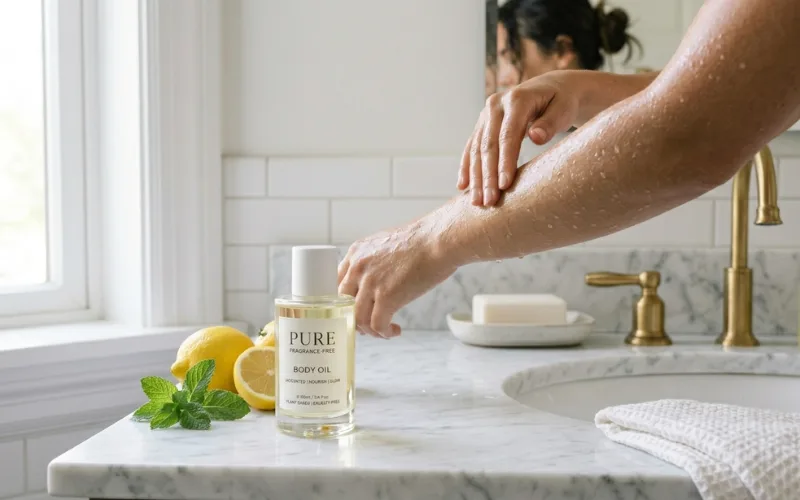
The best entry point if you’re new to body oils and don’t want to commit serious money before you know if you’ll use it. Antioxidant-rich with a vitamin C blend, it absorbs faster than most oils in this price range and gives a genuine glow rather than just a wet shine.
- Scent: light and slightly fruity, fades within a few minutes
- Absorption time: under two minutes, one of the quickest on this list
- Shelf life: roughly 8 months once opened thanks to the lighter oil base, so don’t let it sit unused for too long
- Best paired with: a body scrub the night before for the most noticeable glow the following morning
3. OSEA Undaria Algae Body Oil – $58
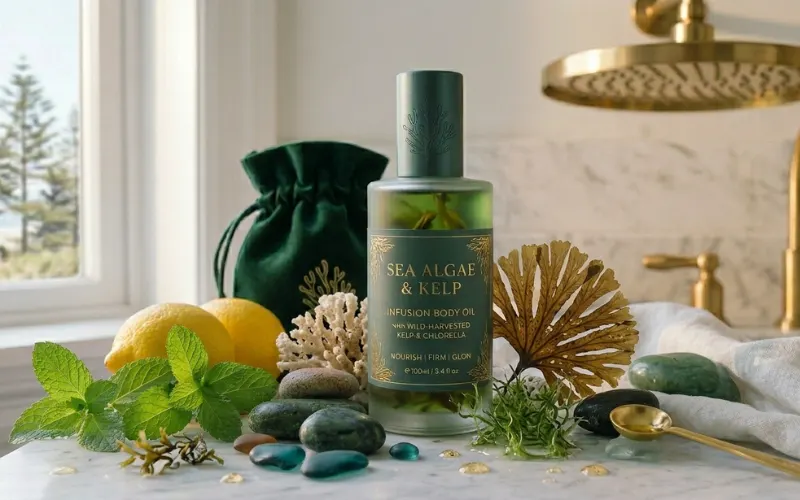
Built around hand-harvested undaria seaweed aged in oil barrels, which sounds dramatic until you feel how it firms and evens skin tone over a few weeks of consistent use. This is the one I point clients toward when they mention sagging or loss of elasticity rather than dryness alone.
- Scent: earthy and slightly marine, settles down within a minute or two
- Absorption time: a touch slower than average, around three minutes, worth budgeting extra time for
- Pairs well with: dry brushing beforehand, the combination noticeably improves the firming results compared to using the oil alone
- Good to know: the seaweed extract can leave a very faint greenish tint in the bottle, this is normal and not a sign the product has gone off
4. Augustinus Bader The Body Oil – $105
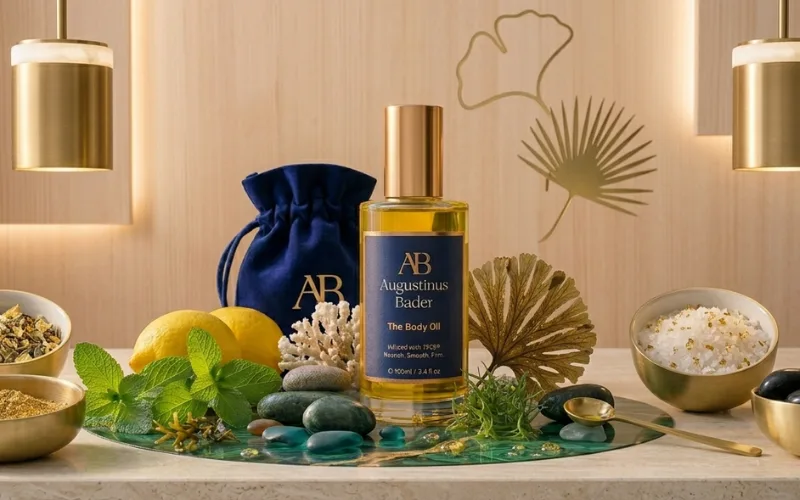
The splurge pick, and the only one on this list with a patented delivery complex (TFC8) behind it. Squalane, argan, and olive fruit oil make up the base, and it sinks in faster than its price tag suggests it should. Worth it if you’ve already nailed your routine and want incremental improvement, not a starting point if you’re still figuring out what works for your skin.
- Scent: warm and faintly woody, doesn’t linger long after application
- Absorption time: around ninety seconds, the fastest of the richer oils on this list
- Cost per use: works out cheaper over time than it looks given how little product is needed per application
- Best paired with: their Rich Cream on particularly dry patches, the brand designs the two to layer together
5. Primally Pure Blue Tansy Body Oil – $26
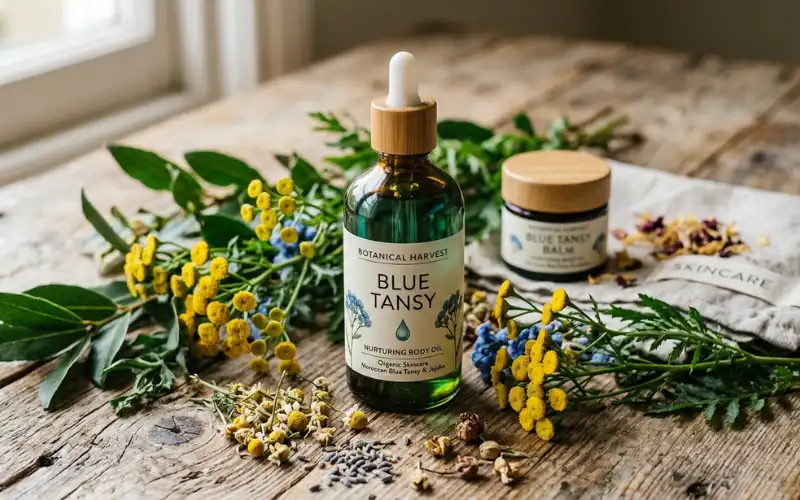
Six certified organic oils plus blue tansy essential oil, which brings genuine calming properties from its natural chamazulene content. It has a faint blue tint that sounds alarming but doesn’t transfer to fabric in my experience. Absorbs quickly with almost no greasy after-feel, which makes it one of the better options for daytime use under clothing.
- Scent: herbal and slightly medicinal, calming rather than sweet
- Absorption time: around ninety seconds to two minutes
- Good for: redness or mild irritation alongside dryness, the chamazulene content does double duty here
- Good to know: give the tint a full minute to settle before dressing in anything pale, just as a precaution
6. Ursa Major Golden Hour Dry Oil – $48
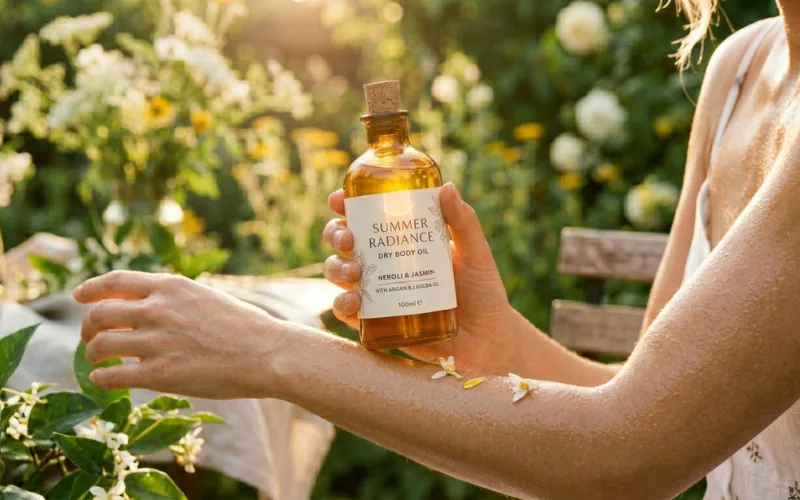
A true dry oil, meaning it’s formulated to feel almost weightless and sink in within minutes rather than sitting on the surface. Lighter on hydration than wetter oils, so I’d pair it with a cream underneath in colder months, but it’s ideal for summer when you want moisture without the shine.
- Scent: citrusy and bright, energising rather than relaxing
- Absorption time: under two minutes, genuinely dry to the touch once it’s in
- Best season: summer or humid climates, it can feel insufficient on its own through a dry winter
- Best paired with: a richer cream layered underneath from November through February for proper cold-weather coverage
7. NERRĀ Dry Body Oil – $72
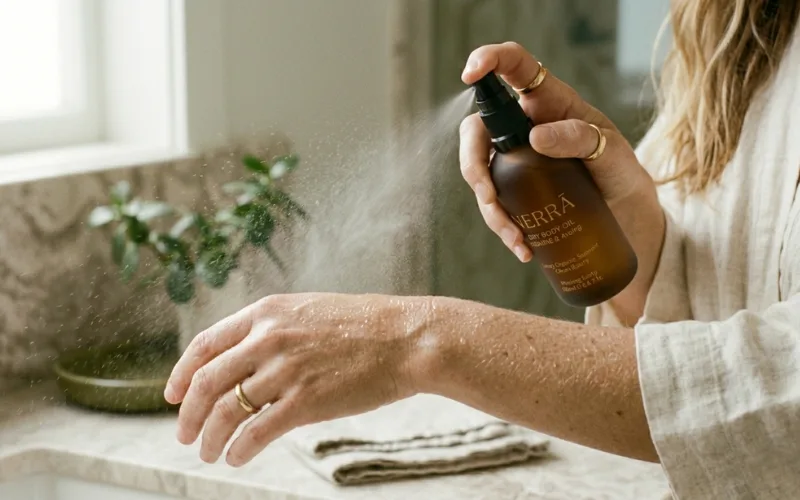
COSMOS ECOCERT Organic certified and dispensed as a fine spray rather than poured from a bottle, which solves the “oily palms” problem entirely. It’s the closest thing to the old-school body shimmer-spray feel, updated with a genuinely clean ingredient list. Pricier per ounce, but the spray format means less product gets wasted.
- Scent: soft floral, layers well under perfume without clashing
- Absorption time: under a minute thanks to the fine mist application
- Why the format matters: a standard pour-on bottle wastes roughly a third more product than a spray over the course of a bottle, by my own rough estimate from refilling client supplies
- Best for: anyone with limited hand mobility or dexterity issues, since there’s no pouring or rubbing required to get even coverage
8. Kate McLeod Breathe Pebble Bath & Shower Oil – $42
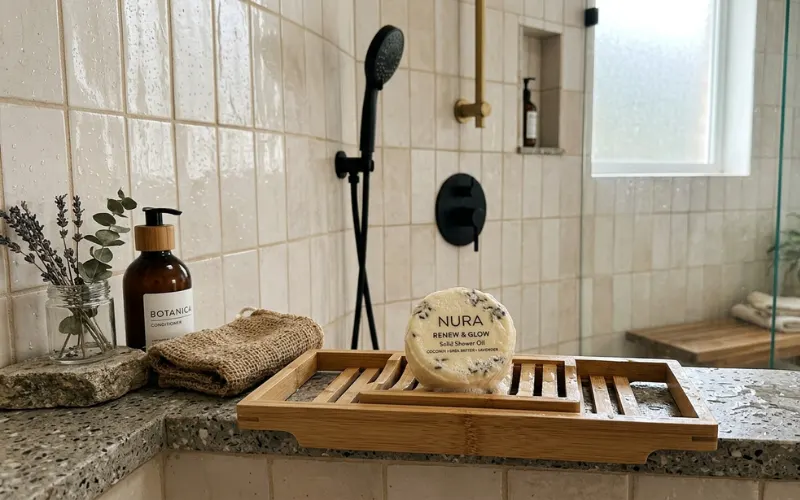
A solid (not liquid) shower oil you use mid-shower rather than after it. Rub it over cleansed, wet skin before you rinse and step out already moisturized, no separate post-shower step required. Genuinely useful for anyone who, like most of us, forgets to do the extra step once they’re out and toweling off.
- Scent: eucalyptus-forward, properly waking for groggy mornings
- Absorption time: not applicable in the usual sense, it rinses to a light residue rather than sinking in like a typical oil
- Why it’s different: no bottle to store or knock over in a wet shower, and a single bar lasts considerably longer than most liquid oils since you’re not pouring anything
- Good to know: works particularly well for households where more than one person showers daily, since it doesn’t run out the way liquid bottles do
9. One Love Organics Gardenia + Tea Antioxidant Body Serum – $39
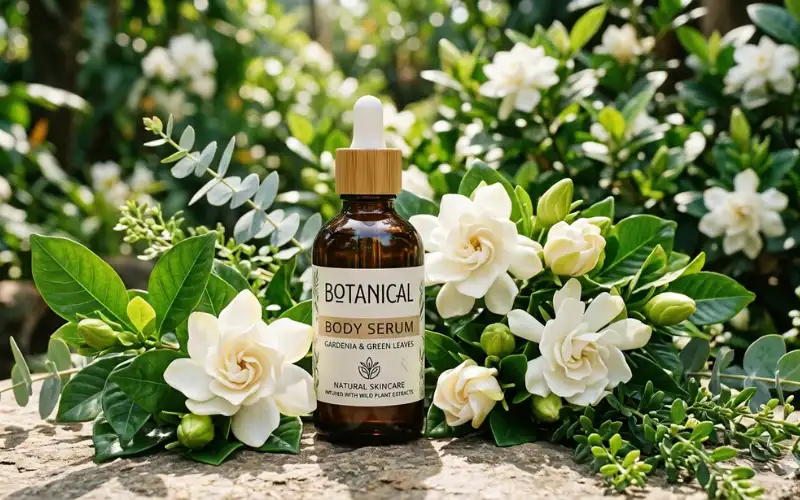
ECOCERT certified with Antileukine 6, a clinically studied antioxidant that helps defend against environmental stressors rather than just moisturizing passively. The spray pump format and lighter consistency make this one of the better warm-weather picks on this list.
- Scent: floral and gardenia-led, noticeable without being overpowering
- Absorption time: under two minutes given how light the serum-like texture is
- Good for: layering under clothing without leaving marks, the lightest formula in this whole roundup
- Best paired with: an SPF body lotion over the top in summer, since the antioxidant content works as a nice complement to sun protection rather than a replacement for it
10. Palmer’s Cocoa Butter Moisturizing Body Oil – $9
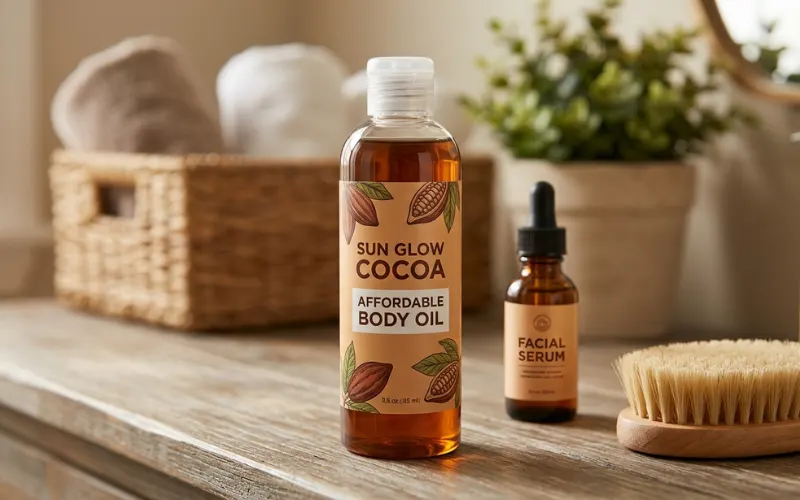
The honest budget pick. It won’t compete on ingredient sophistication, but it absorbs reasonably well and keeps skin hydrated for hours at a fraction of the cost of anything else here. A sensible option if you’re testing whether body oil fits your routine at all before spending more.
- Scent: classic cocoa butter, sweet, the smell most people picture when they think “body oil”
- Absorption time: around ten minutes, the slowest on this list, so apply with a bit of time to spare
- Cost per use: comes out to roughly half a cent per application, which is hard to beat if budget is the main concern
- Good to know: widely available in supermarkets and pharmacies, so it’s easy to replace without hunting around online
Quick Comparison Table
| Body Oil | Price | Best For |
|---|---|---|
| Nécessaire The Body Oil | $48 | Sensitive, fragrance-free skin |
| Naturium The Glow Getter | $20 | First-time body oil usersz |
| OSEA Undaria Algae | $58 | Firming and elasticity |
| Augustinus Bader The Body Oil | $105 | Mature skin, splurge routine |
| Primally Pure Blue Tansy | $26 | Daytime, fast absorption |
| Ursa Major Golden Hour Dry Oil | $48 | Summer, lightweight feel |
| NERRĀ Dry Body Oil | $72 | No-mess spray application |
| Kate McLeod Pebble Shower Oil | $42 | In-shower convenience |
| One Love Organics Gardenia + Tea | $39 | Warm weather, antioxidant boost |
| Palmer’s Cocoa Butter Oil | $9 | Budget-conscious testing |
A Few Things Worth Knowing Before You Buy
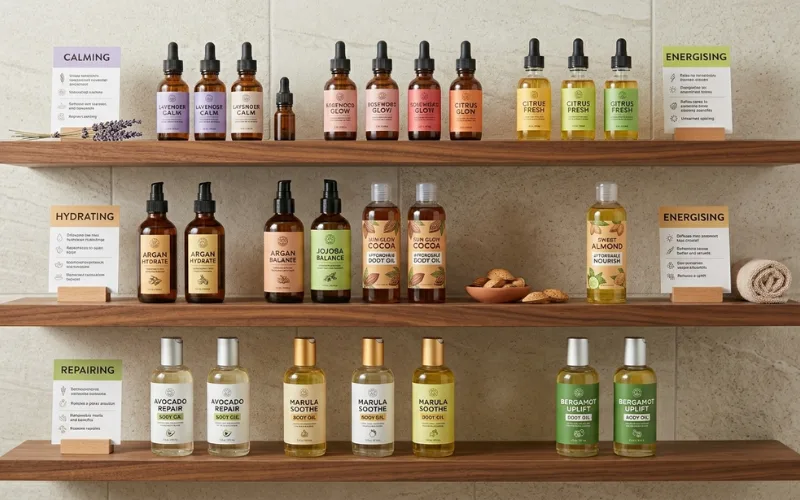
“Dry oil” doesn’t mean it contains no oil. It refers to the finish, not the formula. Dry oils are engineered to absorb quickly and leave skin feeling, well, dry to the touch rather than slick. Wet oils leave a visible sheen. Neither is more effective at moisturizing, honestly, it’s purely a texture preference.
Non-comedogenic doesn’t automatically mean acne-safe for everyone. It means the oil is unlikely to clog pores in general testing, but body acne, especially on the back and chest, can still flare with certain rich oils. If you’re prone to body breakouts, patch test on a small area for a week before applying anywhere broadly.
Fragrance-free and unscented aren’t the same thing. Unscented products often contain masking fragrance to cover the natural smell of the oils, which can still trigger sensitivity. If you have reactive skin, look specifically for “fragrance-free” on the label.
A little discoloration from tinted oils is normal and usually temporary. Oils with natural pigments, like the blue tansy oil mentioned above, can occasionally leave a faint tint on very light fabric immediately after application. Give the oil a minute to fully absorb before dressing, and it’s rarely an issue.
A handful of other things that come up at the chair which don’t fit neatly into the points above:
Can you use body oil on your face?
Some can, but face skin is thinner and more reactive than body skin, so don’t assume a body formula is fine just because it’s labelled “natural.” Check the bottle, or stick to oils marketed for both face and body.
Does body oil expire faster in summer?
Yes. Heat speeds up oxidation in carrier oils, so a bottle left in a hot car or a sunny bathroom won’t last nearly as long as one kept somewhere cool. Cooler storage genuinely buys you extra months of shelf life.
Can you layer body oil under SPF?
You can, but give the oil a few minutes to absorb first. Applying sunscreen straight onto wet oil can dilute it and affect how evenly it sits on skin, which matters more than most people realise.
Is body oil safe during pregnancy?
Most plant-based carrier oils are fine, but certain essential oils commonly blended into body oils, including some clary sage and rosemary formulations, are best avoided in the first trimester. Worth double-checking with a midwife if you’re unsure about a specific bottle.
Why does my oil go cloudy in cold weather?
Some natural oils solidify slightly or turn cloudy in the cold. It’s not spoiled, just temperature-sensitive. Warm the bottle briefly between your palms or in a bowl of warm water and it returns to normal.
Final Thought From the Chair
If I had to give one piece of advice to take away from all of this, it’s the timing, not the brand. Even a nine-dollar bottle works beautifully on damp skin applied within a minute of stepping out of the shower. Even a hundred-and-five-dollar bottle underperforms on dry skin at bedtime. Get the application right first, then worry about which formula suits your skin type and budget.
If you’re building out a full routine around this, my future-proof skincare routine guide covers where body oil fits alongside your other steps, and if dryness is showing up on your scalp too, it’s worth checking your dry shampoo habits since some formulas can pull moisture from skin at the hairline.

I spent the last 7+ years helping people discover what truly works for them in fashion and beauty. After styling clients in boutique fashion houses and testing countless skincare products myself, I learned one simple truth: the best style is the one that makes you feel confident every single day. On my blog, I share the same honest tips I give my friends: simple, practical, and a little inspiring.