
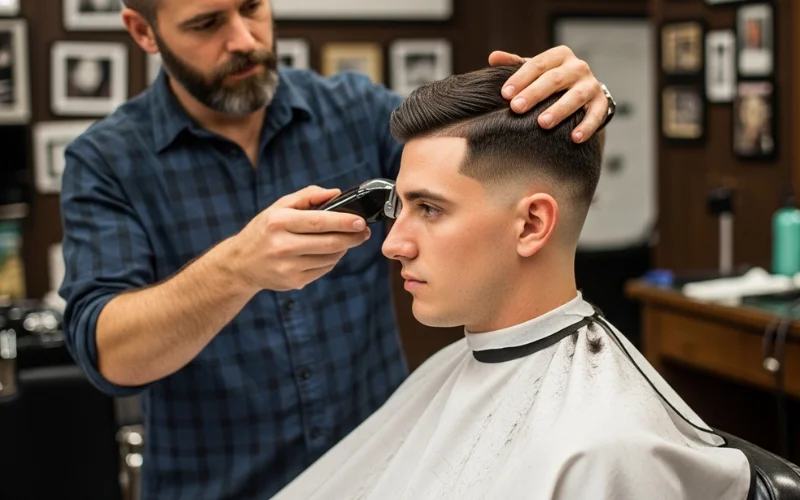
I can still recall how I sat in that broken vinyl bench at our local barber shop and how my husband struggled to explain what he wanted. He requested a low taper fade but as the barber began to question him on the number of guards and the amount of neckline the two of us were completely clueless. The store smelled of aftershave and hot clippers and the old radio in the corner was playing something in the 90s. It was that sort of a place that was truthful. But that day taught me something: knowing the haircut matters just as much as getting one.
Since then, I’ve spent years learning about the low taper fade haircut from watching my husband, my brother, and honestly half the men in my family sit in that same chair. From how it compares to a mid taper and high taper, to which face shapes it flatters, this guide holds everything I wish we’d known that first afternoon.
What Is a Low Taper Fade?
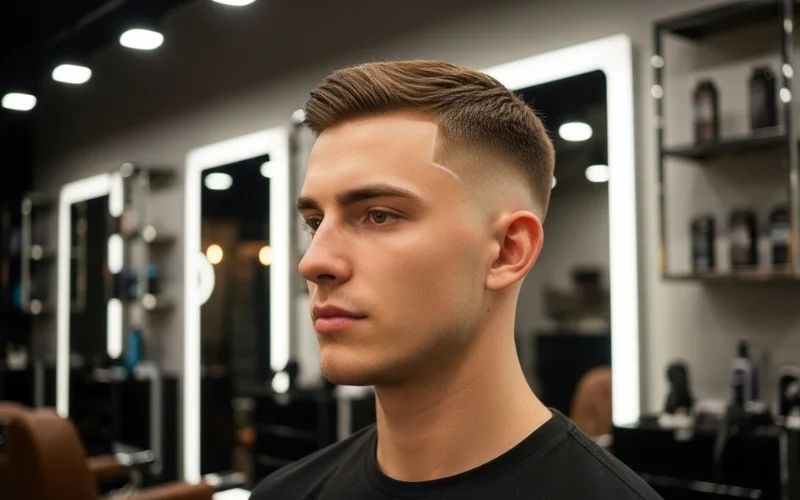
A low taper fade is a men’s haircut where the hair gradually shortens on the sides and back, starting just above the ears and around the natural neckline. The mixture is located at the lowest possible position on the head which is typically half an inch to two inches above the ear lobe. It is one of the most permanent and flexible taper fade haircut variants on the market, and frankly speaking, as soon as you obtain the difference, the rest of the cuts begin to appear somewhat unfinished.
What I love about it, even just watching from the waiting chair, is how clean it looks without being dramatic. The fade zone is usually less than an inch of gradual transition. The barber works through clipper guard sizes, starting from a #1 or #2 at the bottom, blending upward to connect with the longer hair on top. There’s something almost meditative about watching it come together.
How I Finally Understood the Difference Between a Taper and a Fade
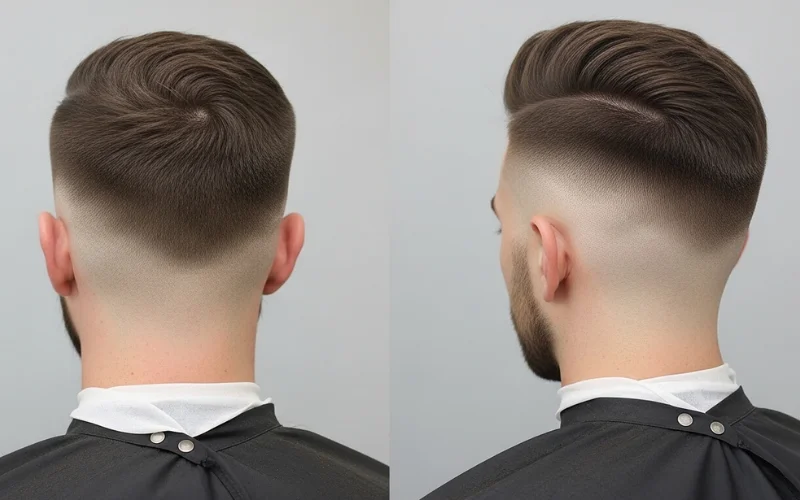
The terms taper and fade are interchangeably thought to mean similar meanings, yet they really mean a lot different. Such difference was made evident in a word of chance in the barbershop one Saturday morning when a patient explanation was made between the two–much like a light drizzle and an actual full downpour. A taper is used to shorten the hair progressively leaving it visible all the way, along the natural hairline. A fade is more violent and fades off to very short stubble or to bare. To know more about the two, head over to a comprehensive complete guide to taper vs fade haircuts.
A taper fade is actually a hybrid of both techniques. It is a mix of the incremental fusing of a taper and a shorter finish of a fade. The two cardinal rules are: all fades are tapers and not all tapers are fades. When that dawned on me everything fell into place and I no longer found myself nodding at barbers without speaking.
Low Taper vs Mid Taper vs High Taper: My Honest Comparison
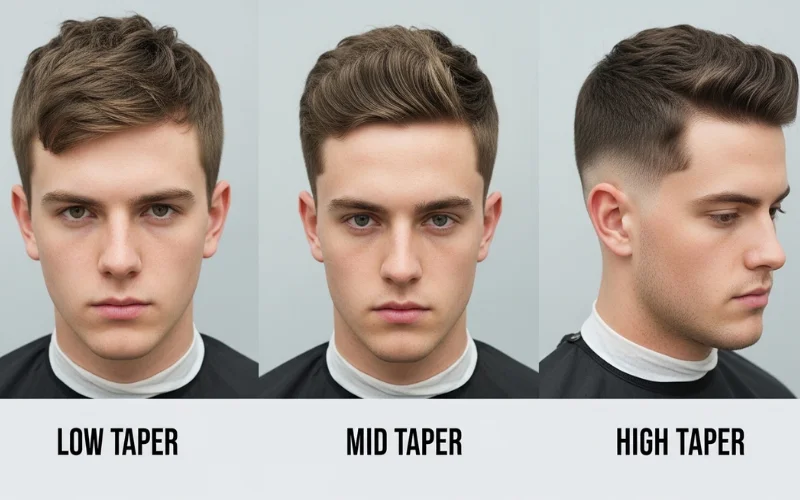
This is where most guys get tangled up, and my husband was no exception when he first tried sorting it out. The real difference between a low taper vs mid taper and a high taper comes down to one thing: where the fade begins on the head. That starting point changes everything about how the cut looks, how often it needs trimming, and which settings it suits best.
| Feature | Low Taper | Mid Taper | High Taper | Winner |
| Starting Point | Just above ears | Temple/eyebrow level | Above temples, near crown | Depends on style |
| Contrast Level | Subtle, minimal | Moderate, balanced | Dramatic, bold | Mid (balanced) |
| Best Setting | Professional/formal | Business casual | Creative/casual | Low (versatile) |
| Maintenance | Every 3 to 4 weeks | Every 2 to 3 weeks | Every 2 weeks | Low (least upkeep) |
| Grow-out Grace | Most forgiving | Moderate | Least forgiving | Low (ages best) |
| Thin Hair | Excellent | Good | Not ideal | Low |
| Thick Hair | Very good | Very good | Excellent | High |
Which One Should He Actually Pick?
If you want something that works in a boardroom and at a backyard barbecue, the low taper haircut is the safest bet. I’ve watched my husband’s low taper grow out gracefully week after week, way better than when he had a mid taper haircut or high taper haircut. He gets roughly an extra week before things start looking unkempt.
For thick or curly hair that needs a bolder statement, a high taper removes more bulk and creates a dramatic contrast. My brother swears by it. The mid taper sits in the middle and offers the most balanced look overall. To see all of them side by side, this collection of types of fades and their differences covers over 46 styles.
How I Helped My Husband Choose the Right Low Taper Fade for His Face Shape
I learned this one watching my brother get the wrong cut. He has a rounder face, and the barber took the sides way too tight without adding any height on top. The result made his face look wider instead of balanced. Not every low taper fade haircut flatters every face the same way. Here’s the simple guide I put together after that day.
| Face Shape | Best Style on Top | What to Avoid | Rating |
| Oval | Almost anything works. Try a textured crop or slick back. | Nothing major. This is the easy one. | 5 out of 5 stars |
| Round | Add height on top with a quiff or pompadour to elongate. | Avoid overly tight sides that make the face look wider. | 4 out of 5 stars |
| Square | Side part, textured fringe, or wavy top. Highlights the jawline. | Very tight sides can make the jawline look too angular. | 5 out of 5 stars |
| Heart | Side-swept or messy texture. Draws focus to chin, away from forehead. | Avoid high fades and too much volume at the crown. | 4 out of 5 stars |
| Oblong | Crew cut or side-swept style. Keep some width on sides. | Too much height on top or very tight fades that elongate further. | 4 out of 5 stars |
| Diamond | Low taper with volume at the crown. A side part softens the silhouette. | Tight fades that exaggerate cheekbone width. | 4 out of 5 stars |
If you’re not sure about face shape, a front-facing photo with the outline traced helps a lot. Most people fall somewhere between two shapes, and the low taper is forgiving enough to work with nearly all of them. That’s part of what makes it the most universally flattering fade, according to GQ’s grooming guides.
Best Low Taper Fade by Hair Type (What I’ve Seen Actually Work)
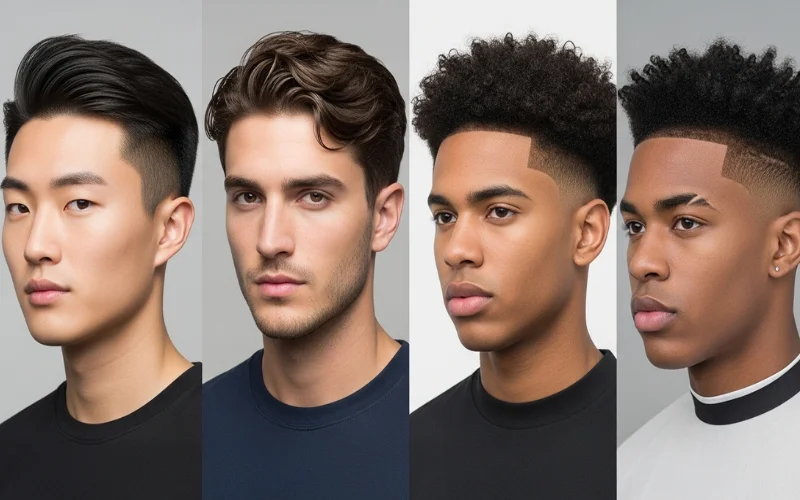
Hair texture changes everything about how a taper fade haircut turns out. I’ve sat through enough appointments to see my husband’s barber approach straight hair completely differently from curly or coily textures. The tools change, the guards change, even the hand movements change. Here’s what I’ve picked up watching and asking questions over the years.
| Hair Type | Best Low Taper Variation | Why It Works | Maintenance |
| Straight | Classic low taper, slick back, side part | Shows every detail of the fade with precision. | Low. Holds shape well. |
| Wavy | Textured top, messy fringe, flow style | Natural movement adds character. Best of both worlds. | Low to moderate. |
| Curly (3A-3C) | Curly top with low taper, fringe blowout | Beautiful contrast between clean sides and textured top. | Moderate. Needs hydration. |
| Coily (4A-4C) | Short afro, 360 waves, sponge twists | Taper flatters coils, letting texture shine on top. | Moderate. Weekly line-ups. |
| Thick | Low taper with thinning, textured crop | Removes bulk from sides without losing character. | Moderate to high. |
| Thin/Fine | Low taper with texturizing, soft blend (#2 guard+) | Minimizes contrast that can emphasize sparse areas. | Low. Very forgiving. |
Low Taper Fade Straight Hair
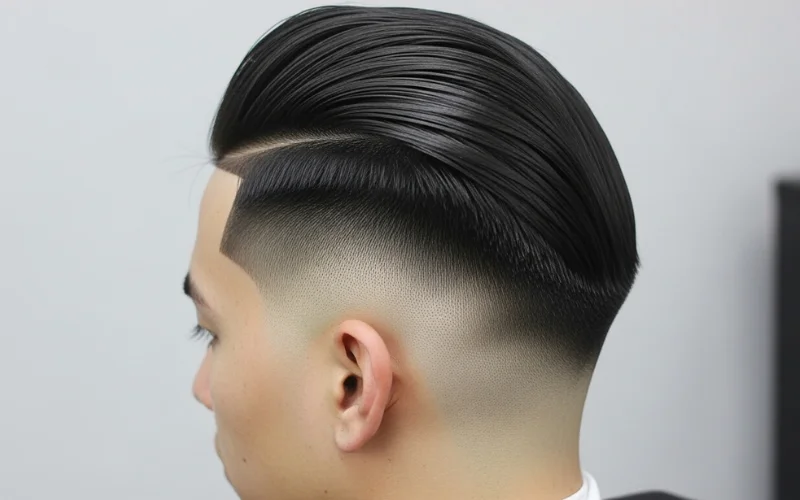
A low taper fade straight hair combination is probably the cleanest look a guy can walk out with. Straight hair shows every single blend line, so precision really matters. My husband has straight hair, and his barber always uses a half-guard technique for the smoothest transition. light pomade or clay is just light enough to provide enough hold, without making things too heavy.
In the case of men who have straight hair but would like it a little more textured, adding a textured crop top style of the hair will be a great match. The mix of low fade straight hair base and choppy layers makes it something new, clean and easy-to-wear with minimum product.
Low Taper Fade Curly Hair
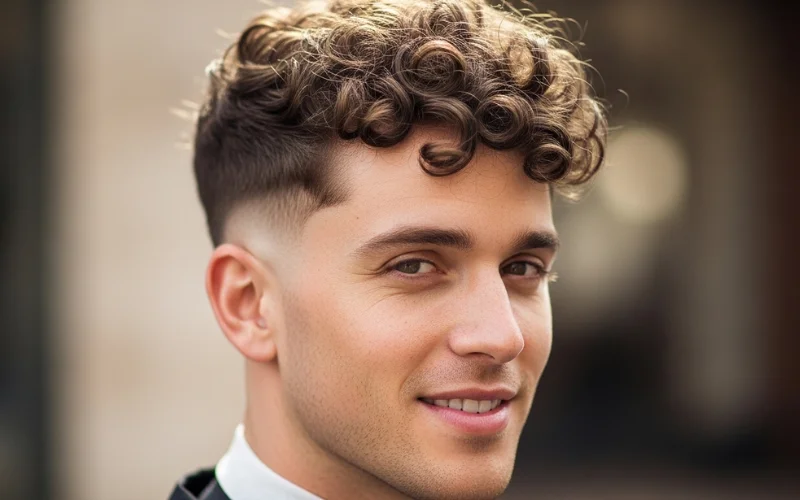
Curly hair and a low taper fade together might be the most requested combination in barbershops right now. I’ve seen why. The juxtaposition of clean and soft sides and big curls on the top produces this unbelievable depth that reflects the light in different ways as the angle is changed. Barbers do not apply standard guards, but employ a clipper-over-comb method, as curls form up and may produce erratic outcomes.
In natural curls, it is necessary to use a curl-defining cream and form of hydration by men. To find more ideas on curly hairstyle ideas that pair with fades, that guide presents over 20 ideas.
The key is keeping the curls moisturized so they sit evenly above the fade line, something my brother learned the hard way after a particularly dry winter.
Low Taper Fade for Thick and Thin Hair
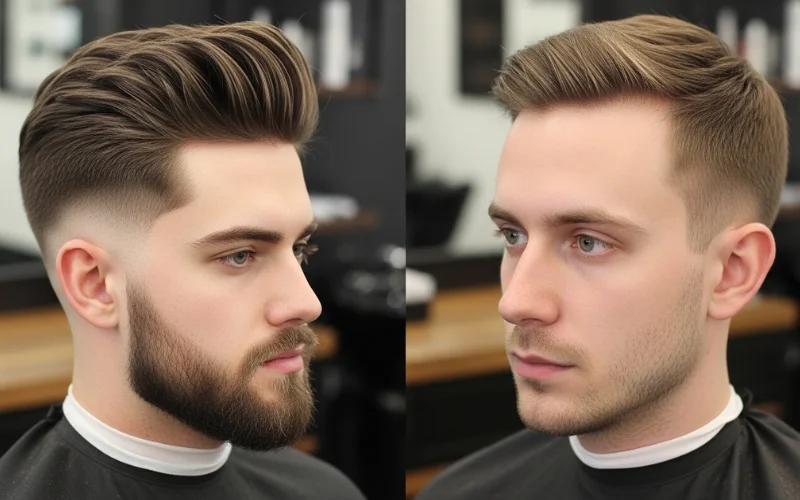
Thick hair benefits hugely from a low taper because the fade removes bulk from the sides without taking away the fullness on top. I always remind my husband to ask for thinning shears through the transition zone. Without that step, the sides can end up looking puffy instead of blended, almost like a helmet sitting on the head.
In fact, it is the low taper fade that looks the best on thin or fine hair when compared to other fades. The fact that the blend is so gradual does not give it sharp contrast lines that highlight sparse areas. Wearing a #2 guard or more on the lowest point would help and a texturizing powder over the top makes the appearance of fullness where it matters.
12 Low Taper Fade Styles
The beauty of a low taper fade is how many different looks can sit on top of it. I’ve put together my favorite variations below, each one I’ve either seen my husband try or bookmarked for my brother’s next appointment. The low fade taper is the base. Everything above it is where personality happens.
1. Low Taper Fade with Textured Crop
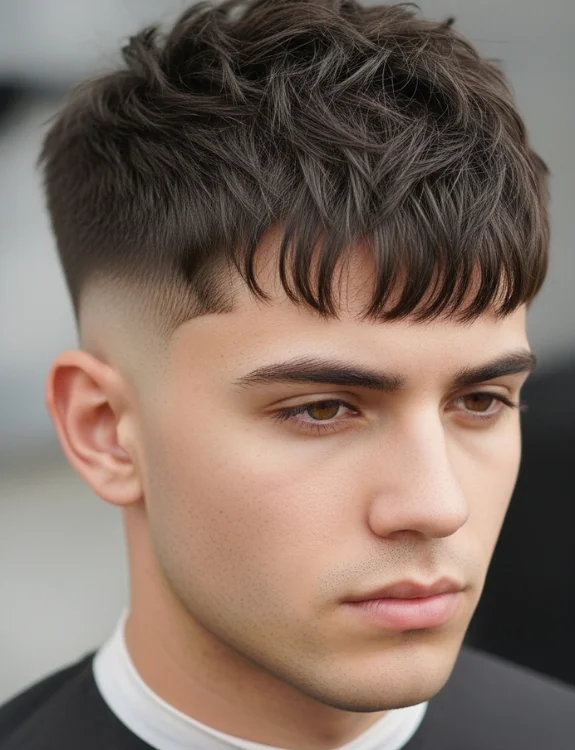
Short, choppy layers on top with a bold fringe. About 2 to 3 inches on top, point-cut with texturizing shears. Styled with a matte clay or sea salt spray. This is the short low taper fade variation I recommend most for guys who want low maintenance but genuine style. It suits oval, heart, and square face shapes especially well.
2. Low Taper Fade with Pompadour
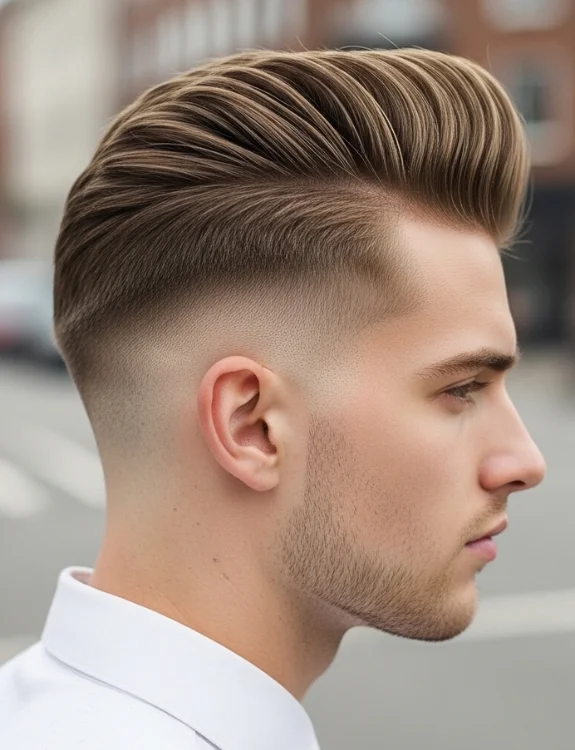
Voluminous hair swept up and back, that classic 1950s look with a modern edge. Needs 3 to 5 inches on top minimum, blow-dried with a round brush for height. A high-hold pomade keeps it in place all day. More pompadour hairstyles and inspiration here. This is one of the most polished mens low taper fade combinations a man can wear. My husband wore this to our anniversary dinner and it genuinely took me back.
3. Low Taper Fade withQuiff
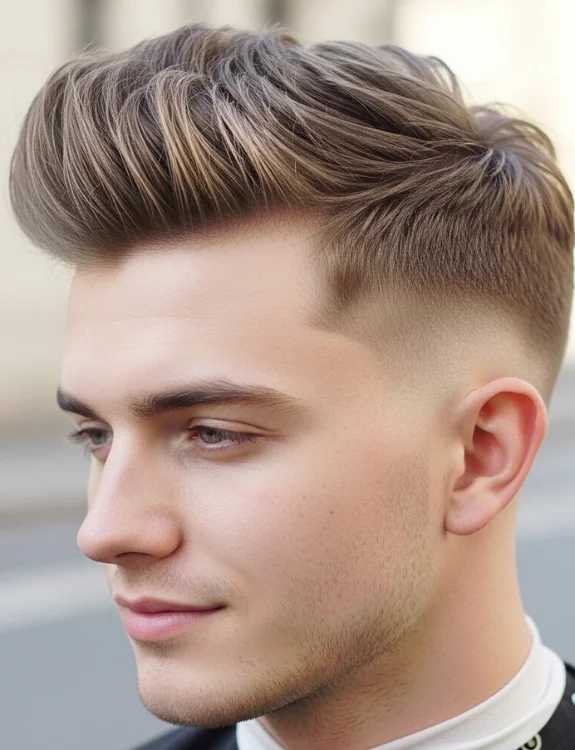
The quiff lifts the front hair upward and back in a relaxed wave shape, less rigid than a pompadour but still adds height. This low taper fade haircut men option works brilliantly for round and square faces because it creates vertical length. About 2 to 4 inches on top for the best volume. More quiff haircut styles to explore.
4. Low Taper Fade with Slick Back
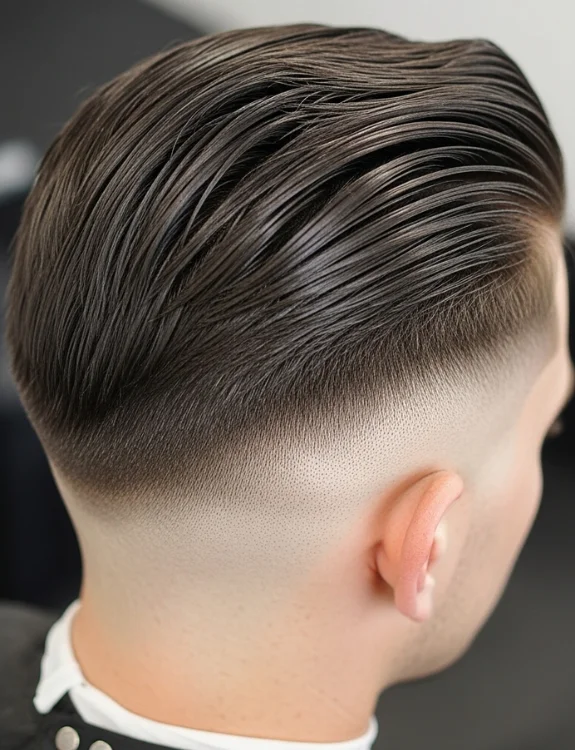
Neatly brushed-back hair that is natural and shiny. This appearance has actual confidence and compliments every face type, especially prominent jaw lines.
About 3 or more inches on top, a medium to high-hold pomade, and that’s it. The low taper fade men slick back is my husband’s go-to for formal events. There’s something timeless about it, like a well-pressed shirt that just fits right.
5. Low Taper Fade with Side Part
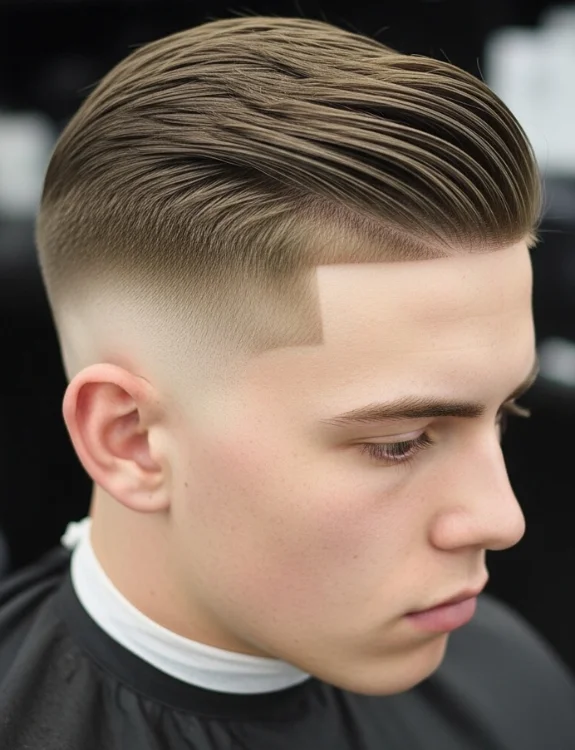
A deep side part with structured volume is one of the most timeless combinations out there. It works particularly well for thinning hair because the part creates a density illusion. Add a hard part for extra definition. Browse more classic side part haircuts here. This is a staple men’s low fade haircut that never goes out of style. My dad wore a version of this decades ago.
6. Low Taper Fade with Curly Top
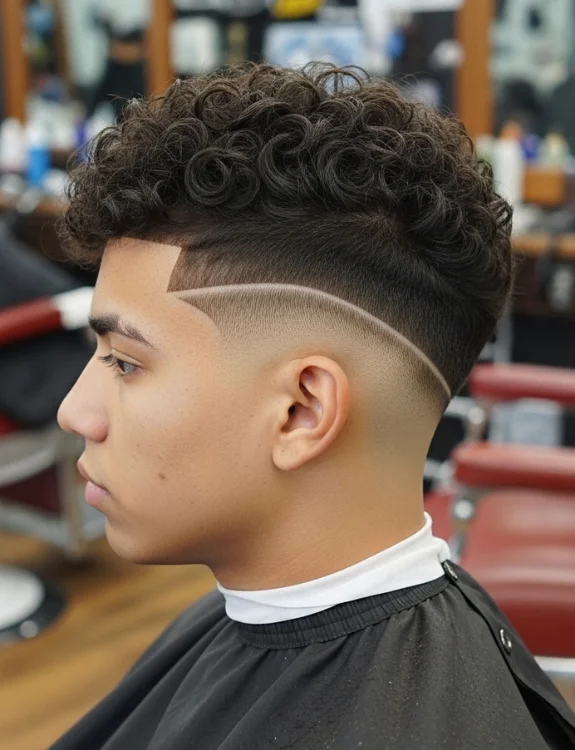
Natural curls maintained on top with 3 to 5 inches for bounce, sides kept clean and controlled. This is especially popular in the Black men’s hairstyles community with 3A to 4C curl patterns. A curl-defining cream and a leave-in conditioner keep the curls healthy and defined above the low fade taper haircut line.
7. Low Taper Fade with Design
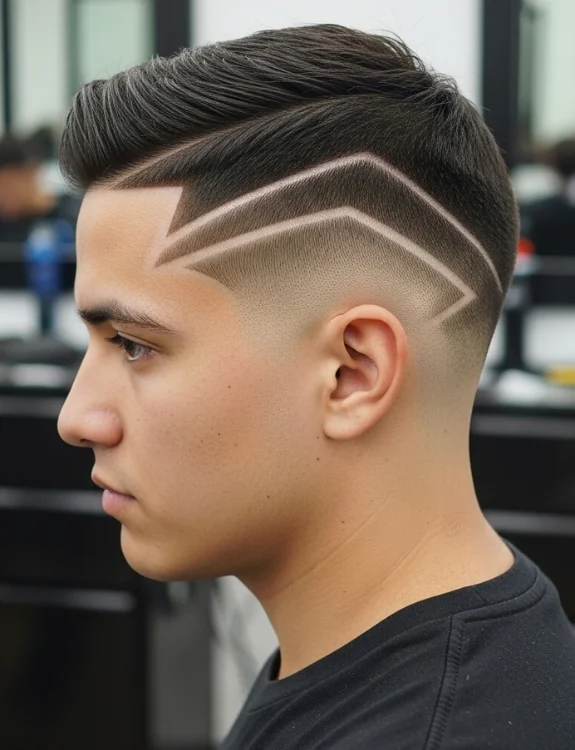
Geometric patterns, symbols, or shaved lines etched into the fade zone. The low taper fade with design option is where creativity meets precision. It would simply mean that low taper designs will grow away in 1 to 2 weeks, therefore requiring more frequent touch-ups. My brother had once had lightning bolts cut into one of his music festivals, and he could not stop smiling at it.
8. Low Skin Taper Fade
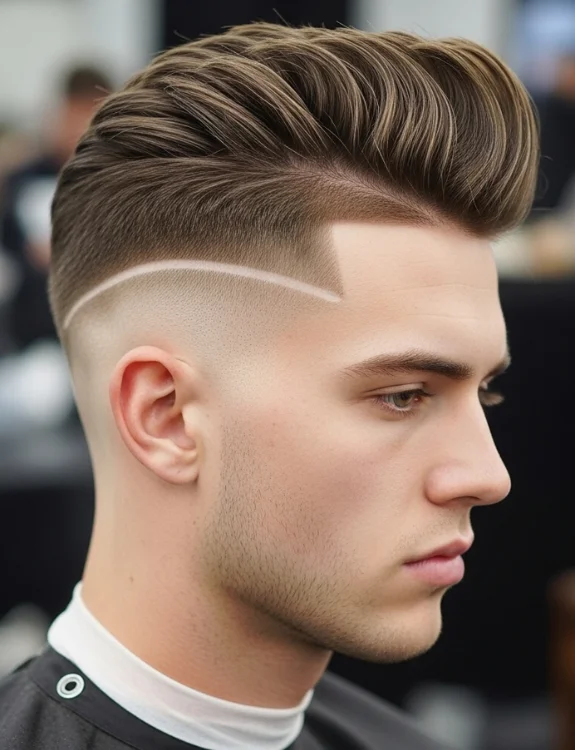
The low taper skin fade goes one step further by blending all the way down to bare skin at the lowest point. The barber uses a straight razor or foil shaver for the cleanest finish. This creates maximum contrast while still keeping the fade low and subtle. Touch-ups are needed every 1 to 2 weeks for this low skin taper style, so it’s a commitment.
9. Short Low Taper Fade
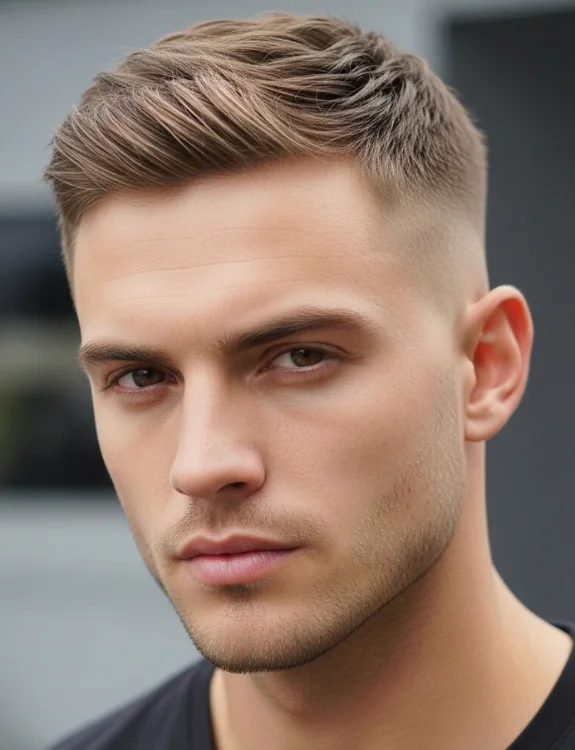
A buzz cut or half-inch length on top paired with a low taper fade short hair base. That is the no-go-maintenance choice, and sportsmen or men who prefer to sleep in to dress their hair can use it. The fade takes 4 to 6 weeks before it requires a refresh. Pair it with a crew cut style on top for the cleanest finish.
10. Low Taper Fade with Long Hair on Top
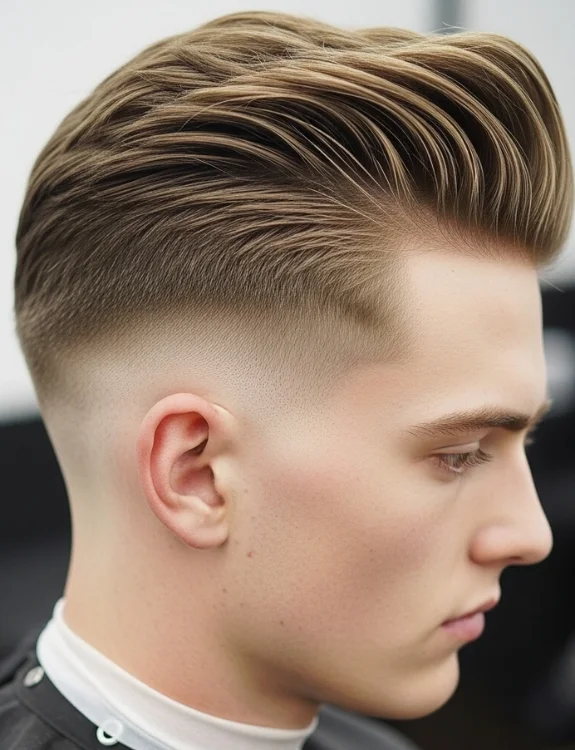
Four or more inches on top for maximum styling options. The cut of the sides, which are low cut taper fade and the flowing length on the upper part, make it look dramatic and at the same time polished and expressive. Preferably push it downwards, put it aside, or allow it to fall.
For anyone going for that short sides long top look, this is the one.
11. Low Taper Fade with Beard

The fade blends seamlessly into facial hair when done right. The sideburn transition from taper fade to beard line is the detail that separates a good cut from a great one. It softens rounder faces and adds definition to softer features. This is one of the most demanded low taper fade haircut mixes, at the barbershops, and I know why. My husband extended his beard and combined it with the low taper and this transformed the entire appearance of the man in just a single night.
12. Low Taper Fade Mullet
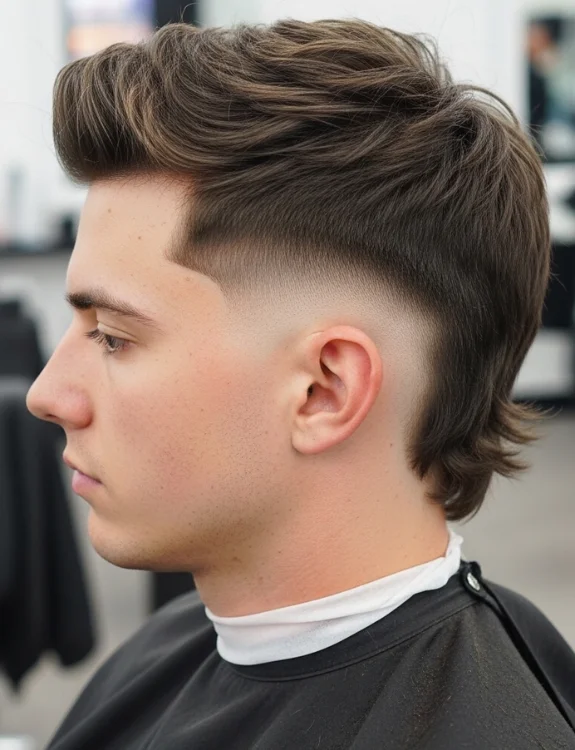
Short in front, longer in back, tapered sides. The modern mullet haircut with a low taper blends retro rebellion with contemporary polish. A thick fringe in front balances the length in back. This variation has been trending heavily on TikTok and is one of the more unique low taper fades for 2026. My brother tried it and hasn’t looked back, literally and figuratively.
How My Husband Asks His Barber for a Low Taper Fade (The Exact Script That Works)
To achieve the correct low taper fade, it is best to do it off before the clippers are switched on. My husband would walk in saying something that was vague such as just a fade or clean it up and the outcome was never exactly what we would have imagined. He now comes in with a given piece of paper and the performance has been uniform since then. I assisted him in assembling it and it is not as complicated as you would imagine.
The Script That Works Every Time
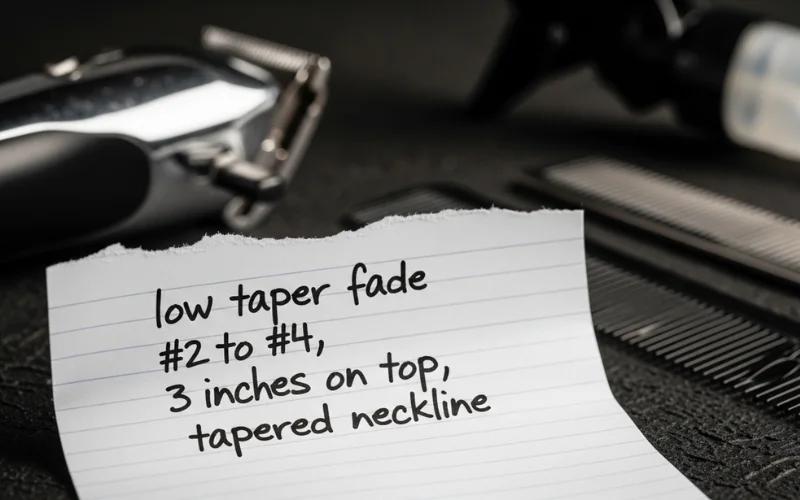
I desire a low taper fade with a bottom fade of 2 guard building up to 4. Allow 3 inches on top to be textured.
Tapered neckline, please.” That single sentence covers placement, guard numbers, top length, and neckline. Adjust the numbers based on personal preference, but having that structure makes all the difference.
Key Terms to Mention at the Barbershop
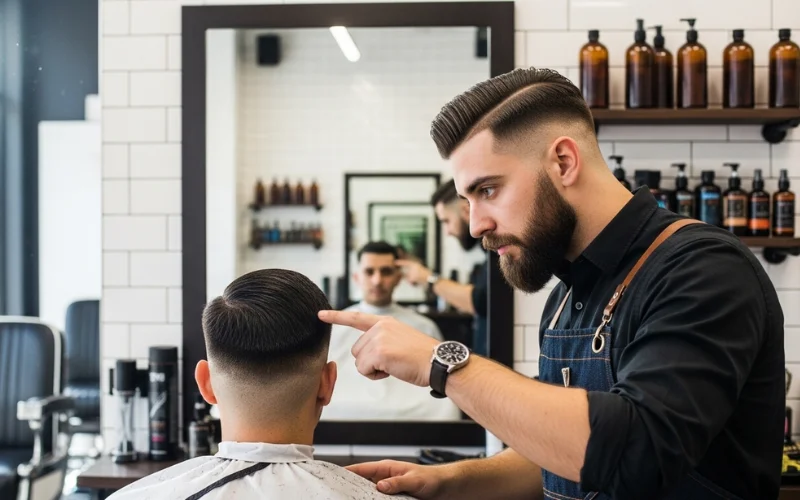
Say “low taper fade” out loud. Don’t just say “taper” or “fade,” because barbers can interpret those differently. State the guard number preference and where the fade should start, like “about 1 inch above the ear.” Describe the top length in inches, and mention the neckline: tapered, squared off, or skin. Understanding buzz cut guard lengths helps more than you’d expect.
Bring 3-5 reference photos always in the different angles. Present the front, side and back perspective to the barber and indicate what appears right and what appears wrong. According to the American Academy of Dermatology’s hair care tips, knowing hair texture before the appointment helps barbers make better calls on guard sizes and blending techniques. A little preparation goes a long way in that chair.
Low Taper Fade Maintenance: How My Husband Keeps His Looking Fresh
A low taper fade grows out more gracefully than a mid or high taper fade, which is part of why we settled on it. But it still needs attention. My husband’s sweet spot is a trim every 2 to 3 weeks. For a low taper skin fade, that window tightens to every 1 to 2 weeks because skin fades lose their crispness faster.
The Week-by-Week Reality
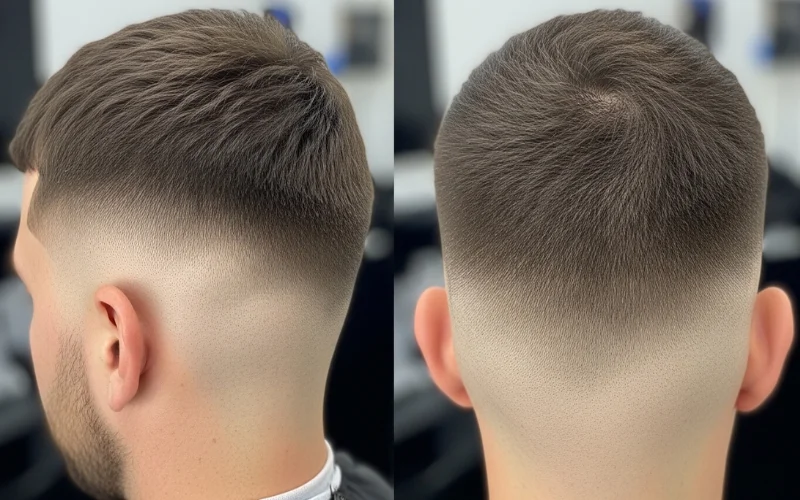
Peak sharpness is the first 3 days. Then he appears to have just had to get out of a magazine and I am not going to deny that I do notice. During days 4 -7, growth is a bit noticeable, but manageable. He switches to matte products around day 5 to soften the look of regrowth. By days 8 through 10, growth shows around the ears and neckline, and that’s the signal to book the next appointment.
In between visits there is a line-up trimmer on day 5 and 6 to keep the lines around the temples, neckline, and sideburns appearing deliberate. Hair washing twice to thrice a week using a sulfate-free shampoo and then applying a moisturizing conditioner will also keep things clean but will not dry the fade zone. To curly-haired men, a silky or satin night pillow case would help safeguard the lines of fades at night.
Low Taper Fades Across Different Hair Textures and Backgrounds
The low taper fade has roots in Black and Latino barbershop culture from the 1980s, growing alongside hip-hop and the communities that shaped it. Today it’s crossed every cultural line and works with every hair texture imaginable. But the approach changes depending on the hair, and understanding those differences is something I find genuinely fascinating.
Black and African American Hair
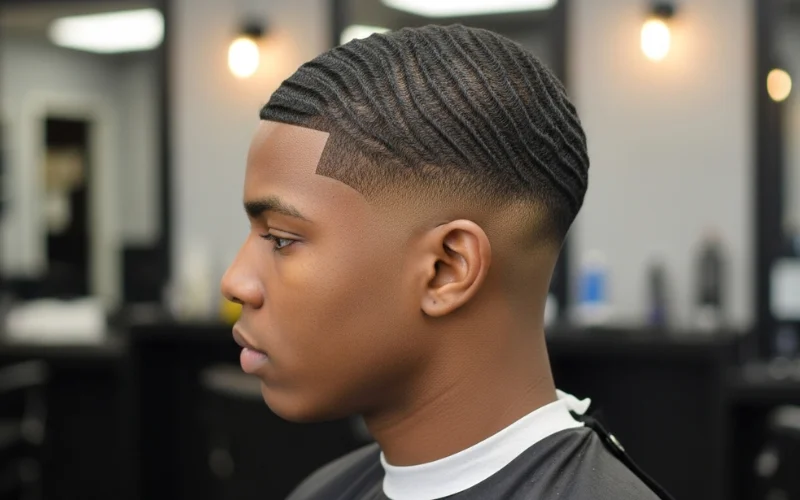
The low taper fade is an actual staple in case of coily and kinky textures (4A to 4C). Fashionable combinations are 360 waves, short afros, sponge twists and faded-side braids. Crisp line-ups are a hallmark of the style. Touch-ups happen every 2 to 3 weeks with weekly line-ups for wave training. For more ideas, explore these trending Black men’s hairstyles and dreadlock styles with fades.
Asian Hair
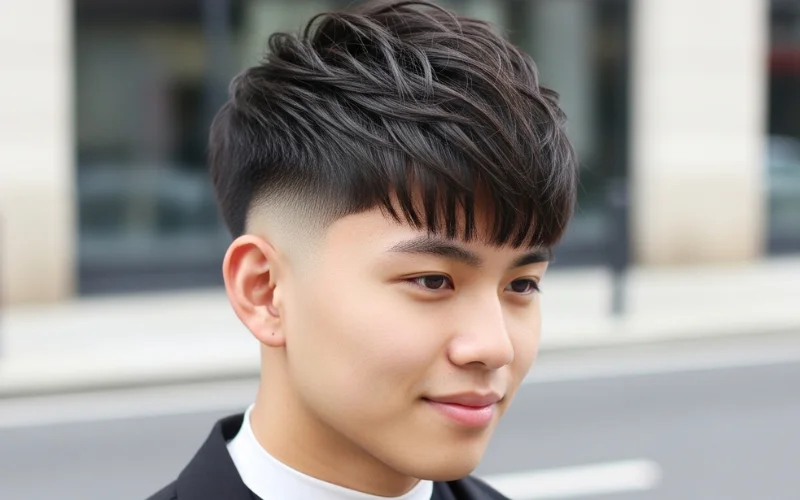
Asian hair tends to be higher density with thick individual strands growing at sharper angles. Barbers need wider guard transitions and thinning shears to remove 20 to 40 percent of internal weight. The textured fringe blowout with a low taper fade has been everywhere on TikTok. Also worth exploring: the two-block haircut trend and Korean hairstyles for men.
Hispanic and Latino Hair
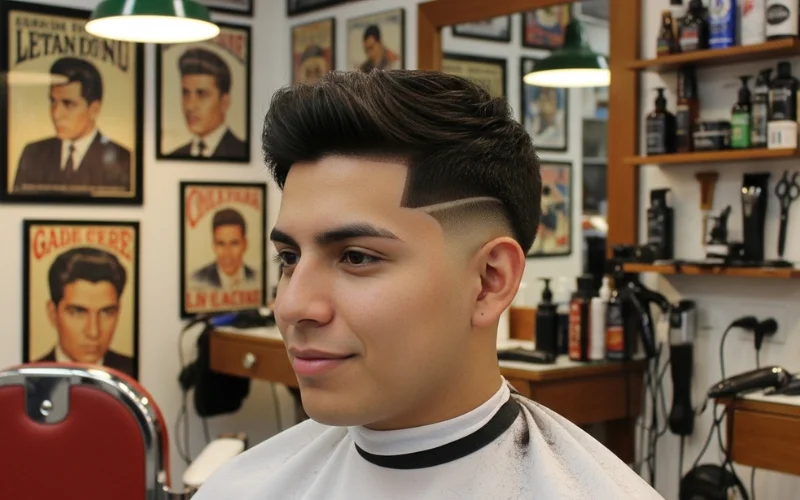
The hair textures of the Hispanics are in the straight to curly category, which is usually thick and dense. The Mexican barbers are known to have the best fades and clean lines.
Popular pairings include the textured top, Edgar cut, curly blowout, and slick back. The low taper fade white guy style works equally well with Caucasian hair, where finer strands actually produce sharper fade lines. Both textures look beautiful with this cut.
Common Mistakes I’ve Seen Men Make with Their Low Taper Fade (And How to Avoid Them)
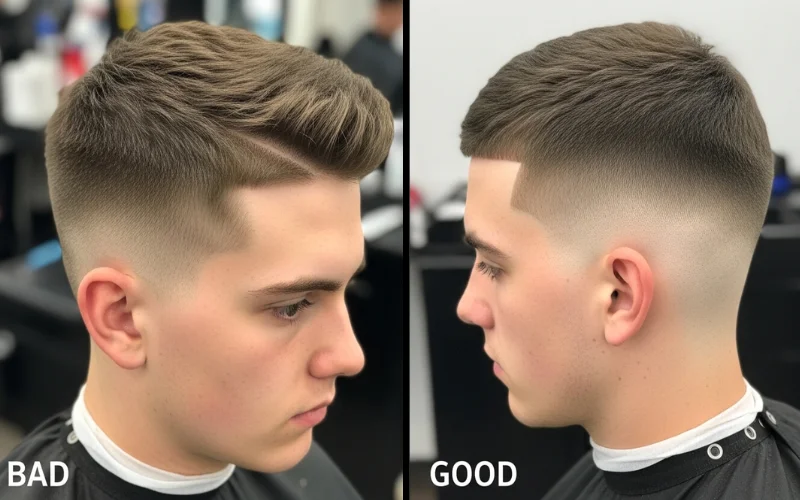
I’ve watched my husband, my brother, and plenty of friends learn these the hard way. Some lessons were funny, some were genuinely frustrating, but all of them were avoidable. Here are the mistakes I see guys make most often with their low taper fade haircut, laid out plainly so the men in your life can skip the trial and error.
1. Saying “just a fade” without specifying low, mid, or high placement. Be specific every single time.
2. Not bringing reference photos from multiple angles. A barber is talented, but nobody can read minds.
3. Using heavy pomades with silicones after day 3. They blur fade lines and make regrowth more obvious.
4. Omitting the 2-to-3-week touch-up period. By week four, the fade is no longer sharp to a great extent.
5. Thinking that a straight-hair reference photo will work perfectly when applied to curly or coily hair. Always find images which correspond to the real texture.
6. Washing hair every single day. It strips natural oils and makes the fade zone look dry and fuzzy. Two to three times per week is plenty.
7. Attempting a DIY fade at home without experience. A quality low fade takes a professional 30 to 45 minutes for a reason.
8. Forgetting to discuss the neckline. It accounts for roughly 30 percent of the haircut’s visual impact, and most guys never mention it.
Frequently Asked Questions About the Low Taper Fade
Q: What is a low taper fade?
A low taper fade refers to a male haircut in which the hair slowly fades at the sides and in the back of the head beginning right above the ears and down the neck. It is the most insidious form of fading as it forms a clean polish appearance, good in the work or informal surroundings.
Q: What is the difference between a low taper and a high taper?
A taper is low on top just above the ears and a taper is high at the temples or the top. The taper difference low vs high taper influences contrast, maintenance frequency and formality. Low tapers are not that obvious and professional. High tapers are louder and require more frequent trimming.
Q: Can low taper fade be used on thin hair?
Yes. It is, in fact, the best fade to use with thin or fine hair which has low taper fade. The softening of the contrast lines reduces the presence of sharp edges which could highlight the sparse shapes. Use a size of best not less than a size 2 at the narrowest point and apply texturizing powder on top.
Q: How often should I get my low taper fade trimmed?
After every 2-3 weeks to achieve the optimum crispness. A low taper fade fades gracefully as compared to mid and high tapers, hence the 3 weeks is usually good. When you have a variation in the skin fade, then consider every 1 or 2 weeks.
Q: How do I ask my barber for a low taper fade?
State “I would like a low taper fade with the #2 guard to mix to the #4. Indicate the highest length (in inches), preference of neckline (tapered, squared or skin) and carry 3-5 reference photos at various angles.
Q: What is the difference between a low taper vs mid taper?
The low taper vs mid taper difference is all about placement. A low taper starts above the ears. A mid taper starts at temple or eyebrow level. The mid taper shows more faded area and creates a more noticeable contrast. Low tapers are more conservative and easier to maintain.
Q: Does a low taper fade work with curly hair?
Absolutely. A low taper fade with curly hair is one of the most popular combinations in barbershops right now. The clean sides create beautiful contrast against textured curls on top. Ask the barber to use a clipper-over-comb technique for the smoothest blend with curly textures.
Q: What face shape looks best with a low taper fade?
The low taper fade haircut works with virtually every face shape, which is a big part of why it’s so popular. Oval and square faces see the best results. Round faces should add height on top with a quiff or pompadour. Oblong faces should keep some width on the sides.
Q: Can I get a low taper fade with a design?
Yes. A low taper fade with design adds geometric patterns, lines, or symbols etched into the fade zone. Just know that designs grow out in 1 to 2 weeks, so more frequent visits are needed to keep them looking sharp.
Q: What is a low taper vs mid taper vs high taper?
A low taper starts above the ears (most subtle). A mid taper starts at temple level (balanced). A high taper starts near the crown (boldest). The higher you go, the more contrast, the more maintenance, and the less formal the style becomes.
My Final Take on the Low Taper Fade
The low taper fade has been my husband’s haircut for years now, and I don’t see him switching anytime soon. It’s versatile enough for his office, sharp enough for a date night, and forgiving enough that he’s not sitting in that barbershop chair every two weeks. Whether he goes with a low taper fade straight hair look or tries a curly top variation, it always feels right on him, like something that was there all along just waiting to be discovered.
I hope this guide gives the men in your life the confidence to walk into their next appointment knowing exactly what to ask for. If you want to explore even more styles, check out the full collection of men’s fade haircut ideas at Beauty Lies Truth. Now send this to your husband, your brother, or your friend who’s been stuck on the same haircut for years. They’ll thank you later.
Read Next: Oval Face Shape? These Haircuts Were Made for You

I spent the last 7+ years helping people discover what truly works for them in fashion and beauty. After styling clients in boutique fashion houses and testing countless skincare products myself, I learned one simple truth: the best style is the one that makes you feel confident every single day. On my blog, I share the same honest tips I give my friends: simple, practical, and a little inspiring.
