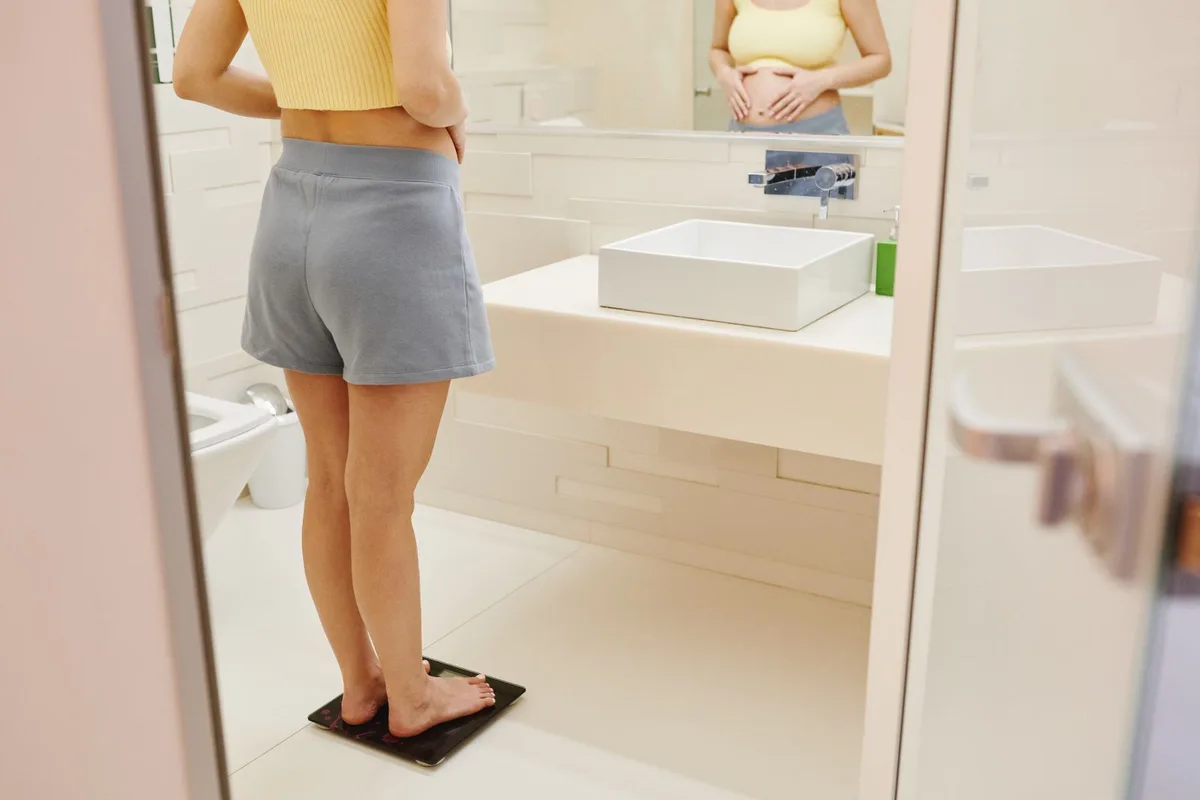
Postpartum body image can shift a lot in the first year after a baby, because motherhood changes how your body looks, feels and moves, sometimes in ways you didn’t expect. Pregnancy, childbirth, breastfeeding, broken sleep and new routines can all affect your shape, skin, hair and energy. These changes are common, but that doesn’t make them emotionally simple.
You may feel proud of what your body has done while also missing parts of your former appearance. Those feelings can exist together. A healthier body image starts with giving yourself room to adjust, then choosing care, clothes and beauty routines that fit the life you have now.
What changes in your body after a baby?
Body changes after pregnancy show up in several places at once. Swelling and fluid retention often ease within weeks, while changes to the belly, pelvic floor, breasts, skin and hair can take months to settle. Some changes fade on their own, some improve with movement and time, and a few stay. Knowing which is which makes it easier to be patient with yourself.
Give your body time to recover
Postpartum recovery has no universal schedule. Breast size and shape may keep changing through breastfeeding and after weaning, and core strength usually returns gradually rather than all at once.
Avoid treating six weeks as a deadline for looking or feeling like your former self. The American College of Obstetricians and Gynecologists recommends that postpartum care be an ongoing process, with contact in the first three weeks and a full postpartum visit no later than 12 weeks after birth, rather than a single check that marks recovery as finished. The guidance on postpartum body image from COPE explains how expectations and social comparisons can add emotional pressure. Track comfort, strength and daily function alongside appearance, so you get a fuller picture of progress.
Postpartum hair shedding: what’s normal
Postpartum hair shedding is one of the beauty changes new moms notice most, and it is usually temporary. The American Academy of Dermatology explains that shedding usually peaks about four months after giving birth, is caused by falling estrogen levels, and that most women see their hair return to its normal fullness by their child’s first birthday.
While you wait, a few hair choices make the thinner months easier. A cut with soft layers or face-framing pieces hides a sparse hairline better than one heavy, blunt length, and curtain bangs or side-swept bangs cover regrowth at the temples. If your hair feels flatter than before, the guide to fine hair explains which products and cuts add volume. And if you want a cut that needs almost no styling time, look at low-maintenance short haircuts. If shedding is heavy, patchy or still going after your baby’s first birthday, see a board-certified dermatologist.
Skin changes after pregnancy
Skin can change in several ways after a baby. Some people notice darker patches on the face, new stretch marks, dryness from broken sleep and dehydration, or breakouts as hormones shift. Many of these soften over the following months.
A simple routine works better than a crowded shelf when time is short. Daily sunscreen helps keep darker patches from deepening, and a gentle face moisturizer helps with dryness. If you’re breastfeeding, check with your doctor or pharmacist before starting strong active ingredients, and see a dermatologist for patches or breakouts that don’t settle.
A 10-minute beauty routine for new moms
Postpartum self care doesn’t need to take long to help. On busy mornings, one routine that takes about ten minutes can make you feel more like yourself: cleanse or rinse, moisturize, apply sunscreen, then add one or two makeup steps that make the biggest difference for you, such as concealer under the eyes and a tinted lip balm.
For hair, a quick routine built around your hair type saves the most time. The free hair care quiz suggests a wash schedule and products for your type and porosity in a couple of minutes. If you’d rather have it worked out for you, a personalized hair plan puts the routine, products and trim schedule on one page.
Choose care on your own timeline
Some physical concerns improve through recovery, movement and time. Others may remain, including loose abdominal skin or changes in breast volume. If a lasting change causes discomfort or affects how clothing fits, you might explore professional options after your body has stabilized.
If you’re considering cosmetic surgery after pregnancy, it’s worth discussing the timing with a qualified plastic surgeon, particularly if you’re planning to have more children or are still breastfeeding. Future pregnancies may affect surgical results, so your health, personal goals and expected recovery should all factor into the decision. Ask which procedures are proposed, where incisions would be placed, and how much help you’ll need at home. Elective treatment is a personal choice, not a standard part of postpartum recovery.
How to dress your postpartum body
Dressing your postpartum body gets easier when you stop fighting your old wardrobe. Clothes that pinch, pull or remind you of an old size can make getting dressed harder than it needs to be. Store pieces that don’t work right now, and keep options within reach that fit comfortably today. A few useful basics include supportive underwear and bras, adjustable-waist pants, and tops that sit smoothly without constant readjusting.
Use measurements instead of familiar size labels, since sizing varies widely between brands. Try different cuts and fabrics, then notice how easily you can sit, bend and carry your child. The body type quiz can help you find cuts that suit your current shape, and our guide to body-confident fashion has more ideas for dressing comfortably while keeping your personal style. Color helps too: wearing colors that suit your skin tone near your face can make you look rested even on short sleep.
Change the way you talk about your body
Harsh self-talk can become so familiar that it sounds factual. Pay attention to phrases such as “I need to hide this” or “I should have bounced back by now.” Replace them with specific, neutral observations, such as “My jeans feel tight today, so I’ll wear something more comfortable.”
Be mindful of how you talk about appearance around children too. Comments about earning food, fearing weight gain or criticizing photos can shape how they understand bodies. Resources about body acceptance in motherhood suggest focusing on what your body lets you experience and do. Appreciation can start small, such as carrying groceries without pain or having enough energy for a walk.
How long does it take for your body to feel normal after a baby?
There is no single timeline for your body after a baby. Many people feel physically steadier within a few months, but hair shedding can last until around the baby’s first birthday, and breast and belly changes may take a year or longer to settle. Comparing yourself with your own progress, not with someone else’s photos, gives a fairer picture.
Protect your mental and physical well-being
Body image struggles sometimes overlap with postpartum depression, anxiety or disordered eating. Contact a health professional if appearance worries take up much of your day, lead you to avoid food or social contact, or get in the way of bonding and daily care. If you have thoughts of harming yourself or your baby, get urgent help: in the US you can call or text 988 at any time.
For everyday support, follow social media accounts that show varied bodies and unfollow those that leave you feeling worse. Ask a partner or trusted person for practical help, so you can go to an appointment, rest, or move your body in a way that feels good. Support should make room for honest feelings without rushing you toward acceptance or change.
Your relationship with your postpartum body may shift many times as recovery, parenting and personal priorities change. Let your next decision come from clear information and your present needs, not a deadline set by an old photograph or someone else’s expectations.
Featured photo by Matilda Wormwood on Pexels.
Beauty Lies Truth is an independent guide to hair, beauty and personal color for readers in the US. Guides are written and updated by a small editorial team and checked against published sources, such as the American Academy of Dermatology, which are linked in the text.